Sex, Rebellion, and the 1960s
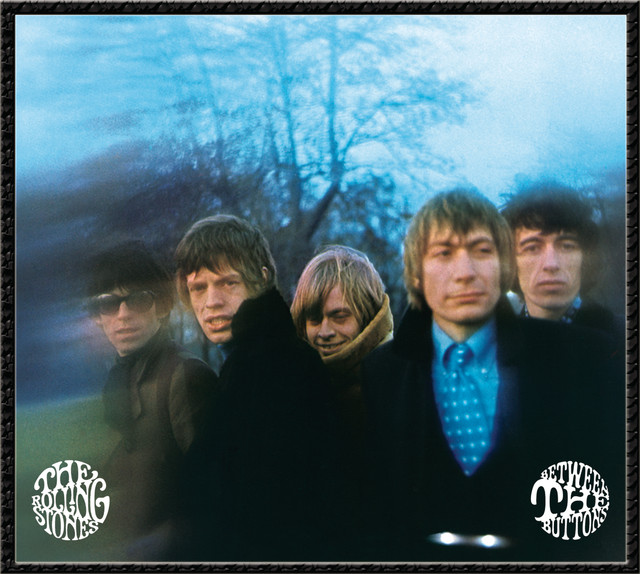
When The Rolling Stones released "Let's Spend The Night Together" in 1967 as part of their album Between the Buttons, the world was in the throes of a cultural revolution. The song’s upbeat, almost playful invitation to intimacy masked a deeper commentary on the sexual liberation movement of the time. It’s a perfect encapsulation of the free-love ethos that was sweeping through the youth of America and beyond.
The lyrics, with their directness, challenge the conservative norms that dominated the previous era. The repeated insistence of wanting to “spend the night together” isn’t just about physical intimacy; it’s an assertion of autonomy and rebellion against societal expectations. Jagger's delivery is both enticing and defiant, a call to embrace desire without shame.
"Let's spend the night together, now I need you more than ever."
Here, Jagger's urgency reflects a yearning not only for physical connection but also for emotional solidarity in a rapidly changing world. The 60s were not just about love; they were about breaking down barriers and redefining relationships.
The Sonic Shifts of the Era
Musically, the song stands as a bridge between rock and pop, driven by a catchy piano riff and a rhythm that compels movement. Produced by the legendary Andrew Oldham, the track captures the essence of a generation seeking to break free from the shackles of tradition. The Stones, often viewed as the bad boys of rock, used this song to both provoke and entertain, effortlessly blending their rebellious image with mainstream appeal.
In the landscape of 1960s rock, the song also marked a shift in lyrical content. While earlier rock tracks often focused on love in a more romanticized way, "Let's Spend The Night Together" was raw and direct. It was a bold statement that challenged the sanitized versions of love prevalent in the music of the time.
Sexual Liberation and Its Consequences
The invitation to spend the night together can also be viewed through the lens of the sexual liberation movement, which was gaining momentum in the 60s. This was a time when women were beginning to assert their sexual independence, and the Stones’ lyrics tapped into that newfound freedom. Yet, it’s important to note that this liberation was not without its complications.
While the song celebrates the desire for connection, it also hints at the fleeting nature of such encounters. The casual nature of the invitation can be interpreted as both liberating and superficial, reflecting the complexities of relationships in a modern world. Jagger’s nonchalant attitude towards intimacy can be seen as a critique of the emotional disconnection that sometimes accompanies casual relationships.
"You know I’ll never leave you, let me be your man."
This line suggests a deeper yearning for commitment, even amidst the backdrop of casual love. It raises questions about the nature of relationships in a time of upheaval—are they merely physical, or do they carry deeper emotional significance?
Legacy and Cultural Impact
The legacy of "Let's Spend The Night Together" extends far beyond its catchy melody. It became an anthem for a generation seeking to redefine norms surrounding love and sexuality. The song’s audacity resonated with audiences, leading to its inclusion in the 1981 concert film Let's Spend the Night Together, which captured the Stones at the height of their powers.
In that concert film, directed by Hal Ashby, the song takes on a new life, illustrating not just the band's enduring appeal but also how the themes of love and rebellion continue to evolve. The Stones’ ability to maintain relevance, even decades later, speaks to the universality of their message.
Interesting fact: The song was so controversial upon its release that it faced censorship on television, particularly during live performances.
The enduring nature of “Let’s Spend The Night Together” lies in its ability to encapsulate the spirit of its time while still feeling fresh and relatable today. As we navigate our own complexities of intimacy and relationships, the song serves as a reminder of the ongoing struggle between liberation and emotional connection.