Personal Grief and Artistic Expression
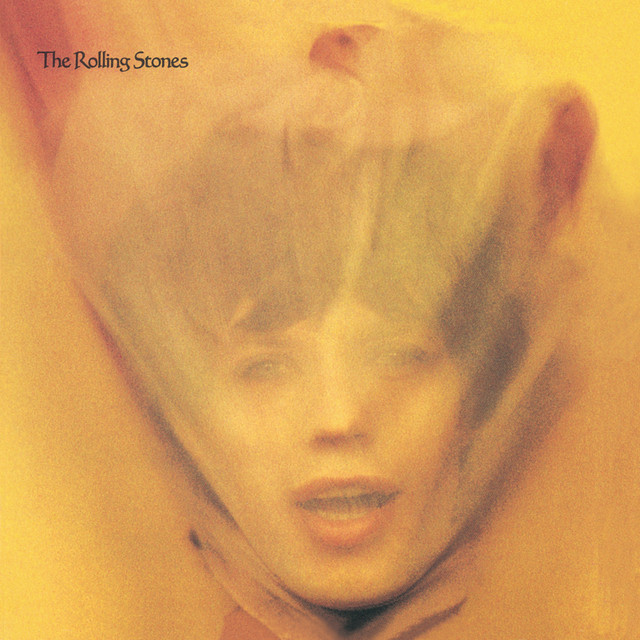
Released in 1973 as part of the album Goats Head Soup, 'Angie' stands out as one of The Rolling Stones' most vulnerable songs. Written during a period of turmoil, the track reflects the personal losses and heartaches that permeated Mick Jagger's life at the time. The emotional gravity of 'Angie' reveals a sensitive side of a band often characterized by their rebellious rock 'n' roll persona.
A Fragile Melody
The song is built around a delicate piano riff, a stark contrast to the rough edges typically associated with the Stones. This melodic softness mirrors the fragility of the lyrics. Jagger's delivery carries an unmistakable weight, invoking a sense of longing and sorrow that feels deeply personal. The opening lines set the tone for a heartfelt farewell, with Jagger lamenting,
Here, he captures the essence of uncertainty that follows a significant loss."Angie, Angie, when will those dark clouds all disappear?"
Context of Grief
Jagger's life during the early 1970s was marked by personal upheaval. His relationship with Marianne Faithfull, a muse and collaborator, had ended tumultuously. This breakup was not just a romantic loss but also a profound emotional one, shaping much of his songwriting at the time. The lyrics in 'Angie' reflect a universal experience of heartache, allowing listeners to connect with the pain of separation.
Musical Composition as Reflection
Produced by Jimmy Miller, the instrumentation of 'Angie' plays a pivotal role in its emotional resonance. The gentle acoustic guitar and strings complement Jagger's haunting vocals, creating a soundscape that feels both intimate and expansive. The arrangement invites the listener into a personal space, effectively drawing them into Jagger's world of sorrow.
Legacy of 'Angie'
'Angie' became a classic, showcasing the band's versatility beyond their rock roots. Its success on the charts—reaching number one in several countries—solidified its status as a timeless ballad. The song's emotional sincerity has allowed it to endure, resonating with generations of fans who find solace in its narrative of loss and yearning.
Reflection in Lyrics
As the song progresses, Jagger continues to explore themes of love and loss. The lines,
highlight a stark reality that many face when grappling with heartbreak. This stark honesty is what makes 'Angie' not just a song about loss, but a meditation on the human condition itself."With no loving in our souls and no money in our coats,"
Conclusion: A Personal Touch
The enduring power of 'Angie' lies in its raw emotion, a testament to how personal experiences can shape artistic expression. The song serves as an intimate glimpse into Jagger's life, revealing how grief can transform into art. In 'Angie,' The Rolling Stones remind us that even the most iconic rock bands can be vulnerable, offering a profound connection through shared human experiences.
Did you know? 'Angie' was the band's first number one single in the United States since 1969's 'Honky Tonk Women.'