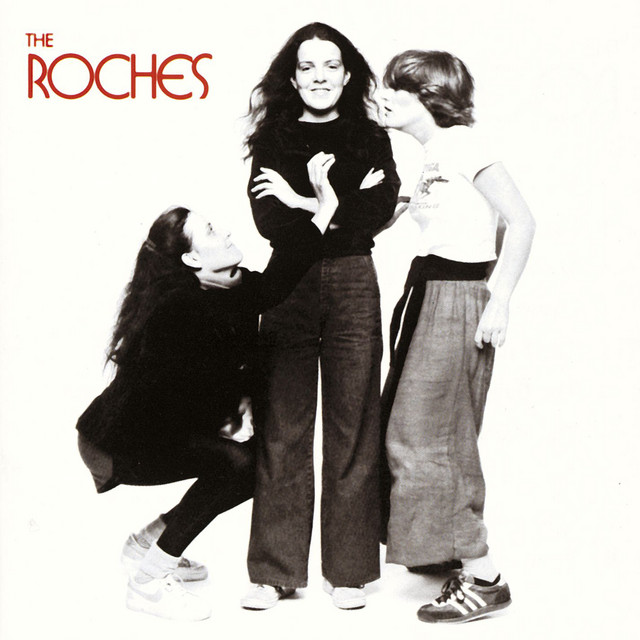
A Sisterly Anthem for Independence
Released in 1979 on their self-titled debut album, "Hammond Song" by The Roches captures the essence of women's independence movements emerging in the 1970s. The trio of sisters—Maggie, Terre, and Suzzy Roche—infused their folk sound with a blend of humor and poignant observation, creating a unique narrative that resonates with the era's shifting social norms.
The lyrics reflect not just personal experiences but also a broader commentary on women's roles and aspirations. The line,
succinctly addresses the frustrations of women trying to break free from traditional expectations. This defiance is emblematic of a generation seeking autonomy, echoing the sentiments of the feminist movements gaining momentum at the time."But I don’t want to be your mother / I don’t want to be your friend"
The Roches' harmonies and clever songwriting earned them a distinct place in the music scene, influencing artists who followed.
Feminism in Folk
Folk music has often served as a platform for social commentary, and The Roches were no exception. Their sound, characterized by tight harmonies and intricate arrangements, set the stage for discussions around independence and identity. "Hammond Song" stands out not just for its musicality but for its unabashed exploration of women's desires and needs, reflecting the decade's cultural shifts.
While the song's whimsical tone might suggest a lighter take, the underlying message is anything but trivial. The sisters' playful yet pointed lyrics encourage self-exploration, challenging the listener to consider what it means to be a woman in an evolving society. Lines like
signify a longing for liberation and self-discovery, making it clear that this isn't merely a personal quest but a collective one."I want to go to the place where the light is"
Contextual Backdrop
The late 1970s was a pivotal period for women's rights, marked by significant legislative changes and social movements advocating for equality. The Roches, emerging from New Jersey, were part of a burgeoning scene that included other influential female artists. They didn't just participate in the conversation; they shaped it.
Produced by the legendary musician and songwriter, Robert Fripp, the album carries a raw authenticity that matches the sisters' lyrical candor. The production complements their voices, allowing the harmonies to shine while retaining an intimate feel—an echo of the vulnerability many women were beginning to express publicly.
Cultural Impact and Legacy
Years later, "Hammond Song" still resonates, as artists like Whitney have revived it, bringing it to a new generation. This revival speaks volumes about its timeless relevance. The themes of independence and self-definition continue to inspire, proving that the issues raised by The Roches are still very much alive.
As we reflect on the cultural landscape of the 1970s, it’s evident that The Roches' work was more than just music; it was a statement. "Hammond Song" serves as a reminder of the ongoing journey toward equality and the multifaceted experiences of women. The sisters' ability to weave personal narrative with broader social commentary makes this track an essential part of the feminist musical canon.
An Ongoing Conversation
Listening to "Hammond Song" today, one can’t help but feel the weight of its message. The Roches were pioneers in a sense, using their art to challenge norms and inspire change. In a world that continues to grapple with issues of gender equality, their voices remain a crucial part of the dialogue.
In its playful yet powerful way, "Hammond Song" invites listeners to reflect on their own lives, encouraging a spirit of independence that transcends generations. The Roches may have sung about their own experiences, but their message is universal—a resonant call for freedom and self-definition that is as relevant now as it was in the 1970s.