The Weight of Expectations
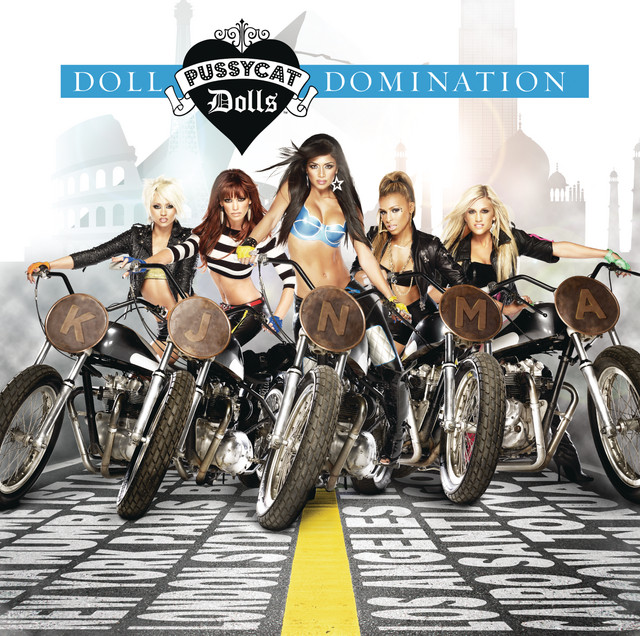
Released in 2008 on their second studio album, Doll Domination, The Pussycat Dolls’ track When I Grow Up is a sharp commentary on the pressures of modern fame. The song encapsulates the aspirations of young women who idolize the glitz and glamor of celebrity life, yet it also lays bare the loneliness and anxiety that accompany such dreams.
Fame's Illusory Allure
Pop culture often glorifies the life of a star, but When I Grow Up flips that narrative on its head. The catchy chorus lures listeners in with its infectious melody, while the lyrics expose a darker truth: “When I grow up, I want to be famous.” This line reflects a desire for recognition, yet it’s underscored by an unsettling sense of desperation.
"When I grow up, I want to be famous, I want to be a star, I want to be in movies."
These lyrics illustrate the societal pressures placed on young women to achieve success and visibility, aligning with the hyper-competitive nature of the entertainment industry. The Dolls, as a product of early 2000s pop culture, epitomized this struggle, often celebrated for their sex appeal and choreography rather than their musical talent.
A Double-Edged Sword
The song reveals the double-edged sword of fame. In their pursuit of success, the Dolls reflect a broader commentary on the objectification of women in pop music. The lyrics hint at the superficial nature of fame: “Everybody’s watching, so let’s get this party started.” Here, the desire for fame translates into a performance, where authenticity is sacrificed for public approval.
Interesting fact: The Pussycat Dolls were originally founded as a neo-burlesque dance troupe in 1995, showcasing a blend of music and dance that challenged traditional norms.
Modern Fame's Toll
As the song progresses, the facade of fame crumbles, revealing the stark reality behind the glamour. The repetition of the phrase “I want to be” serves as a mantra, showcasing the relentless aspirations that often lead to burnout and disillusionment. The song mirrors the experiences of many pop stars who have grappled with the pressures of public life, from Britney Spears to Demi Lovato, both of whom have openly discussed the mental health struggles that accompany their celebrity status.
Concluding Thoughts
When I Grow Up stands as a cultural artifact, reflecting the complex relationship between women and fame in the 21st century. It’s not just a catchy pop song; it’s a critique of the unrealistic standards set by society and the toll they take on those who chase them. The Pussycat Dolls, with their alluring image and catchy hooks, remind us that behind the glitter lies a world fraught with pressure and expectation.