The Genesis of a Cultural Phenomenon
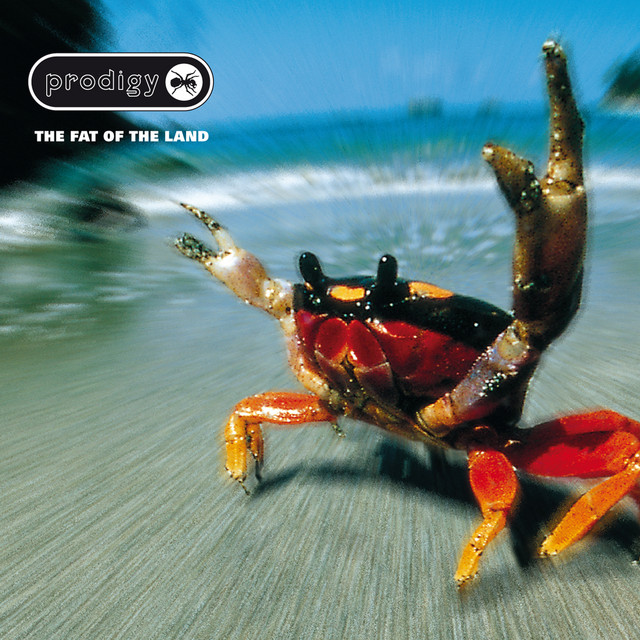
Released on March 18, 1996, by XL Recordings, "Firestarter" marked a pivotal moment for the Prodigy and the electronic music scene. Emerging from the band's third album, The Fat of the Land, this track became an anthem for disaffected youth, encapsulating the raw energy of the 90s rave culture while pushing the boundaries of electronic music.
A Sonic Revolution
The song is a frenetic blend of big beat, punk, and techno, featuring aggressive beats and a relentless bassline that create an electrifying atmosphere. Produced by Liam Howlett, it showcases the Prodigy's ability to fuse genres, making electronic music accessible to a wider audience. The chaotic energy of the track perfectly mirrors the angst and rebellion of the youth at the time.
Lyrics that Ignite
Keith Flint's iconic vocals add a layer of urgency and intensity, particularly with the line:
"I'm the firestarter, twisted firestarter"
This declaration serves not just as a proclamation of identity but as a rallying cry for those who felt marginalized by mainstream culture. Flint's persona—part punk, part raver—was a direct challenge to societal norms, inspiring a generation to embrace their individuality.
The Impact on Youth Culture
"Firestarter" resonated with a generation grappling with feelings of alienation in an increasingly commercialized world. The 90s marked a time when youth culture was shifting; the rise of the Internet and the decline of traditional media created a more fragmented landscape. In this context, the Prodigy became the voice of a disenchanted generation.
The song's music video, with its striking visuals and Flint's wild performance, further cemented its status. The imagery—filled with chaos, fire, and anarchy—perfectly embodied the rebellious spirit of the time, making it a staple in the playlists of raves and underground parties.
A Lasting Legacy
The influence of "Firestarter" extends far beyond its initial release. It opened doors for electronic music in the mainstream, paving the way for artists like Chemical Brothers and Fatboy Slim. The Prodigy's success helped to validate electronic music as a legitimate genre, no longer relegated to underground clubs but embraced in stadiums worldwide.
Did you know? "Firestarter" was a chart-topping hit, reaching number one in the UK Singles Chart and solidifying the Prodigy's place in music history.
Rave Culture and the Anti-Establishment Message
The anti-establishment message in "Firestarter" resonated with the rave culture that was burgeoning in the UK at the time. Raves often took place in abandoned warehouses and open fields, away from the prying eyes of authority. The Prodigy's music, particularly "Firestarter," became the soundtrack to this rebellion, celebrating freedom and self-expression.
As the 90s progressed, the mainstream began to co-opt elements of rave culture, but the Prodigy's raw energy and defiance set them apart. They refused to conform to the expectations of the music industry, instead embracing a chaotic aesthetic that embodied the spirit of the times.
The Prodigy Today
Even decades later, "Firestarter" remains a touchstone for those who lived through the 90s. Its messages of individuality and rebellion continue to resonate, making it a timeless piece in the electronic music canon. The Prodigy's influence can still be felt today, with new generations discovering their music and the ethos behind it.
In essence, "Firestarter" was more than just a song; it was a cultural moment that captured the essence of a generation. Its impact on electronic music and youth culture in the 90s cannot be overstated—this track ignited a fire that continues to burn brightly.