The Birth of a Movement
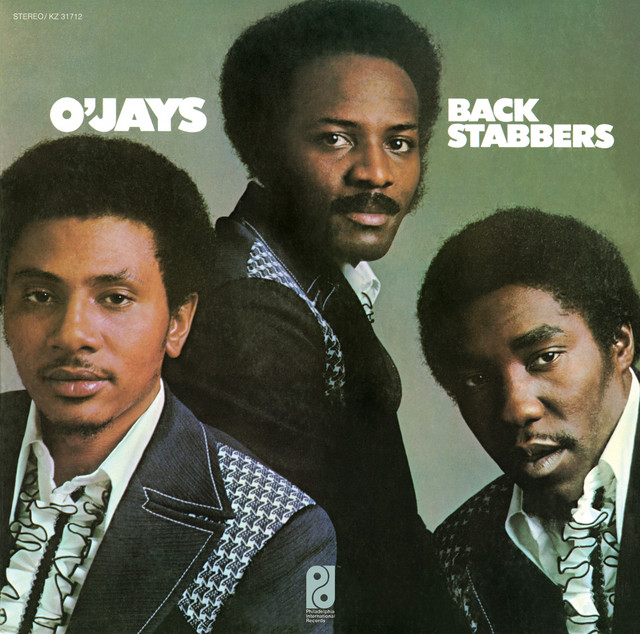
Released in 1972 on their album Back Stabbers, The O'Jays' "Love Train" quickly transcended its role as a hit single. Written by the legendary duo Gamble and Huff, the track is more than just an irresistible groove; it's a rallying cry for unity. Topping the US Billboard Hot 100 in 1973, it would become a cornerstone in the soundtrack of social movements worldwide.
Lyrics That Inspire Action
“People all over the world, join hands,” the song implores, tapping into a universal desire for connection and solidarity. This line resonates with many who have felt marginalized, serving as a reminder that collective action can lead to change. By inviting listeners to join the "Love Train," The O'Jays provide a metaphor for the interconnected struggles against oppression and inequality.
"People all over the world, join hands, start a love train, love train."
This call to action has been embraced by various movements, from civil rights to LGBTQ+ advocacy. Its message is clear: love and unity are powerful tools for social progress.
A Cultural Phenomenon
The song's infectious rhythm and soulful harmonies helped it gain traction not just as a chart-topper, but as an anthem of hope. Recorded at Sigma Sound Studios in Philadelphia, the lush arrangements and smooth vocals contribute to its uplifting vibe. It's a sound that evokes joy while simultaneously addressing serious issues.
Interestingly, "Love Train" was recorded during a pivotal time in American history, when the civil rights movement was gaining momentum and calls for social justice were echoing across the nation.
As the years rolled on, the song's influence grew, becoming a staple at protests and gatherings. Its universal appeal lies in its simplicity—a straightforward message that transcends language and culture. This is why the metaphor of the Love Train has been adopted globally; it speaks to the innate human need for connection.
Global Activism and the Love Train
In recent years, we’ve seen the Love Train metaphor applied in various contexts, from climate activism to anti-racism efforts. Activists have used it to symbolize solidarity across borders, reinforcing the idea that we are all passengers on the same train, bound by our shared humanity. The imagery invites a sense of urgency and collective responsibility. “If you have a problem, I have a problem,” the lyrics suggest, emphasizing the interconnectedness of our struggles.
As social media continues to amplify voices and movements, the Love Train metaphor has found a new platform. Hashtags and campaigns evoke the spirit of The O'Jays' classic, proving that music can catalyze action and inspire change.
Legacy of Love and Unity
The O'Jays have rightfully earned their place in music history, not just for their chart success but for their ability to weave social messages into their music. "Love Train" stands as a testament to the power of song in catalyzing social change. It’s a reminder that love can be a radical act, one that fosters unity in the face of adversity.
In a world often divided by politics, race, and ideology, the Love Train offers a vision of hope. As we continue to navigate our collective challenges, it’s songs like these that remind us of the potential for love to ignite change, urging us all to hop on board.