The Roots of Rhythm
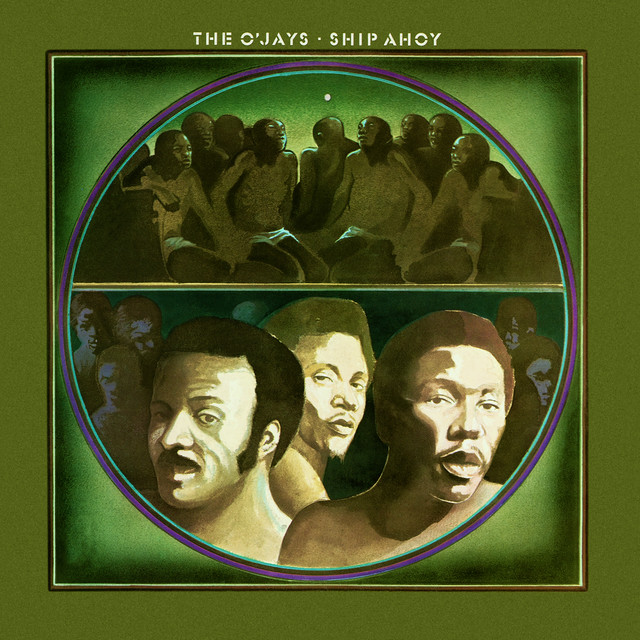
The O'Jays' "For the Love of Money," released in 1973 on their acclaimed album Ship Ahoy, is often celebrated for its infectious groove and biting lyrics. Yet, beneath its surface lies a profound connection to gospel music, a genre that has long shaped the fabric of American soul and R&B. This influence not only informs the song’s rhythmic structure but also deepens its thematic exploration of greed and morality.
A Groove with a Message
Produced by the legendary duo Kenneth Gamble and Leon Huff, the track is built on a rhythmic foundation that is undeniably infectious. The driving beat and horns are reminiscent of the call-and-response patterns found in gospel music. This technique creates an urgency, echoing the emotional intensity found in church music where the congregation is urged to respond to the preacher’s fervor.
In the context of gospel, the refrain of “For the love of money is the root of all evil” serves as a moral declaration, not merely a catchy hook. The O’Jays take this biblical warning and transform it into a contemporary anthem, using the language of pop to challenge listeners. The gospel influence is clear: it’s not just about the rhythm; it’s about preaching a message.
Spiritual Undertones
The O'Jays, hailing from Canton, Ohio, were steeped in the traditions of black gospel music from an early age. Their harmonies reflect the influence of church choirs, where vocal precision meets emotional delivery. This background informs the way Eddie Levert’s lead vocals soar over the instrumentation, invoking a sense of spiritual urgency.
"Money, money, money, money!"
This repetitive chant mirrors the refrains of gospel songs, where repetition serves to drive home the message. Here, however, the repetition signifies a warning, a stark reminder that the pursuit of wealth can lead to spiritual emptiness. The O'Jays are not merely lamenting greed; they are calling for a reckoning.
A Broader Cultural Commentary
The song's blend of R&B and gospel isn’t just a stylistic choice; it reflects the socio-economic realities of the 1970s. The O’Jays were responding to a world where the promise of wealth could lead to moral decay. Their music became a vehicle for social commentary, urging listeners to reflect on their values.
Did you know? The O'Jays were originally formed in 1958 and have roots in gospel music, which heavily influenced their vocal style.
As the song progresses, the lyrics delve deeper into the consequences of greed. Lines that highlight the loss of integrity resonate with the listener, revealing the emotional weight of the message. The gospel influence helps to elevate these sentiments, transforming them into a powerful moral lesson.
Legacy of Influence
“For the Love of Money” has transcended its era, remaining relevant through various cultural contexts. Its rhythmic appeal continues to inspire countless artists, and its underlying message has sparked conversations about capitalism and ethics. This connection to gospel music not only enriches the song’s legacy but also underscores the enduring power of music to provoke thought and inspire change.
In a world increasingly driven by materialism, the O'Jays' blend of gospel and R&B offers a timeless reminder of the perils of losing sight of what truly matters. Their call to action, rooted deeply in spiritual tradition, remains as crucial today as it was in the 1970s.