From 1998 to Today
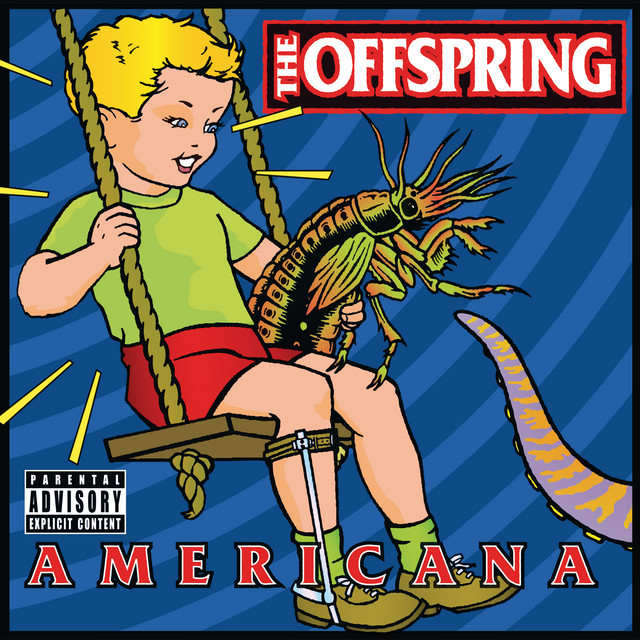
The Offspring's "The Kids Aren't Alright" serves as a stark commentary on the disillusionment of youth. Released in 1998 as part of their album Americana, the song captures a generation grappling with the harsh realities of life. Just as relevant today, it reflects ongoing societal issues that affect the youth, from economic instability to mental health struggles.
Broken Dreams and Lost Potential
The song begins with a vivid depiction of youthful aspirations crushed by circumstance. The lyrics paint a bleak picture: kids who once had dreams are now facing the bitter taste of reality.
This line evokes a nostalgia that many share, yet it quickly transitions to the stark realization that those dreams often remain unfulfilled."When we were young, the future was so bright..."
The Impact of Economic Strain
In the late '90s, the economy was shifting, and many young people found themselves without the opportunities their parents had. Fast forward to today, and we see a similar narrative. Issues like student debt and job scarcity are prominent. The Offspring's portrayal of youth struggling to find their footing resonates with a generation facing its own economic hurdles.
Mental Health Crisis
Another layer of the song addresses mental health, a topic that has gained significant attention in recent years. The line
is steeped in irony, suggesting that beneath the surface, many are not coping. Today's youth face unprecedented stressors—from social media pressures to global crises—that can lead to anxiety and depression."But the kids are alright"
Generational Disconnect
The disconnection between generations is also a central theme in the song. It highlights how adults often overlook the struggles of younger generations. As the lyrics unfold, it becomes clear that parents and society at large fail to recognize or address the issues plaguing youth. This disconnect persists, with many young people feeling unheard and unsupported.
Changing Cultural Landscape
Pop culture plays a huge role in shaping perceptions of youth. In the '90s, bands like The Offspring articulated the frustrations of their generation through punk rock's raw energy. Today, we see a different musical landscape, but the essence of those frustrations remains. Artists across genres continue to address themes of disillusionment and mental health, proving that the core issues have not changed.
Interestingly, "The Kids Aren't Alright" has been referenced in various forms of media, including a song by Fall Out Boy, showcasing its lasting impact.
Hope Amidst Despair
Despite the heavy themes, there is a thread of resilience woven through the song. It speaks to the capacity for change and the hope that future generations will rise above the challenges they face. The Offspring's anthem serves as a call to action, urging society to pay attention to the needs of youth.
A Timeless Message
The enduring relevance of "The Kids Aren't Alright" lies in its unflinching portrayal of youth struggles. It reminds us that while times change, the essence of the fight for a better future remains. As we navigate the complexities of modern life, the song's message continues to ring true: the kids, indeed, are not alright, but they have the power to reshape their narrative.