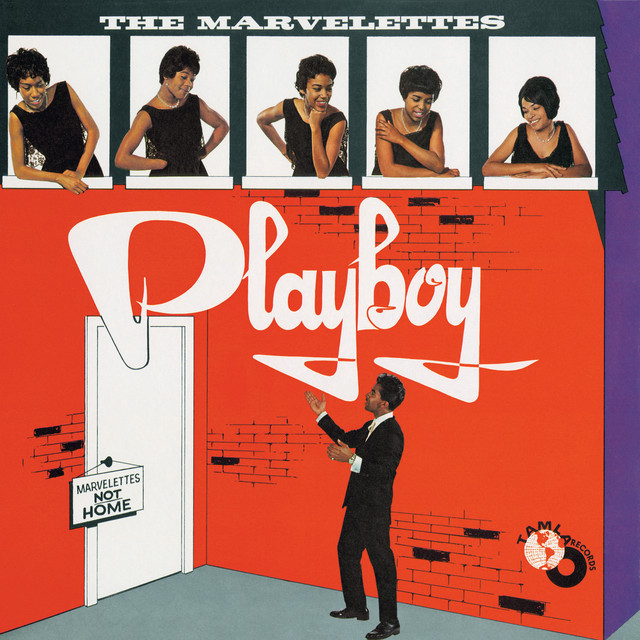
The Sound of a Changing Era
Released in 1962, "Beechwood 4-5789" by The Marvelettes became a quintessential Motown hit, reaching number 7 on the charts. Written by Marvin Gaye, William "Mickey" Stevenson, and George Gordy, the song is characterized by its infectious melody and playful lyrics, telling the story of a girl anxiously waiting for a call from her love. However, beneath its upbeat exterior lies a connection to a broader cultural moment: the Civil Rights Movement.
Everyday Life in the Face of Struggle
At first listen, the song seems like a lighthearted pop tune. The catchy chorus, with its sing-along quality, masks a deeper commentary on the lives of African Americans in the early 1960s. The yearning expressed in the lyrics reflects a community grappling with the urgency for change while yearning for personal connection and stability. The repeated plea,
, can be seen as a metaphor for the call for justice and recognition that resonated throughout the Civil Rights Movement."Beechwood 4-5789, I need you now"
A Call for Connection
During a time when the United States was embroiled in racial tension, the desire for connection echoed not only in romantic pursuits but also in a collective yearning for equality. The Civil Rights Movement was marked by key events such as the March on Washington in 1963, where figures like Martin Luther King Jr. called for justice and unity. In this context, the simple act of dialing a number becomes a powerful symbol of reaching out—not just to a lover, but to a community striving for recognition and rights.
Cultural Impact and Resonance
The Marvelettes, as part of the Motown family, were not just entertainers; they were part of a cultural revolution. Motown’s sound became synonymous with the aspirations of African Americans, providing a platform for artists to express their experiences. The upbeat nature of "Beechwood 4-5789" offered an escape, yet its underlying themes of longing and connection mirrored the reality many faced. This duality is what makes the song enduring and relevant.
From Love to Activism
As the Civil Rights Movement gained momentum, music became a vehicle for change. Artists like Sam Cooke and Nina Simone penned songs that explicitly addressed social injustice, but Motown's approach was often subtler. “Beechwood 4-5789” serves as a reminder that even the most seemingly trivial moments contain the seeds of larger movements. The desire for love, embodied in the song, reflects a universal quest for dignity and respect—principles at the heart of civil rights activism.
Legacy of Empowerment
Today, the song continues to be a staple in Motown retrospectives, reminding listeners of the era's complexities. It underscores how popular music can reflect and influence societal issues. The catchy tune might lead one to dance, but the lyrics invite reflection on what it meant to be young, black, and hopeful in America during a transformative period.
Interesting fact: "Beechwood 4-5789" was one of the last songs Gaye worked on before he began his legendary solo career, marking a turning point in Motown's musical evolution.
In many ways, the song encapsulates the spirit of its time: a blend of joy and struggle. While it remains a darling of the pop music canon, its connection to the Civil Rights Movement offers a profound insight into how music can serve as both a mirror and a catalyst for change.