The Story Behind the Song
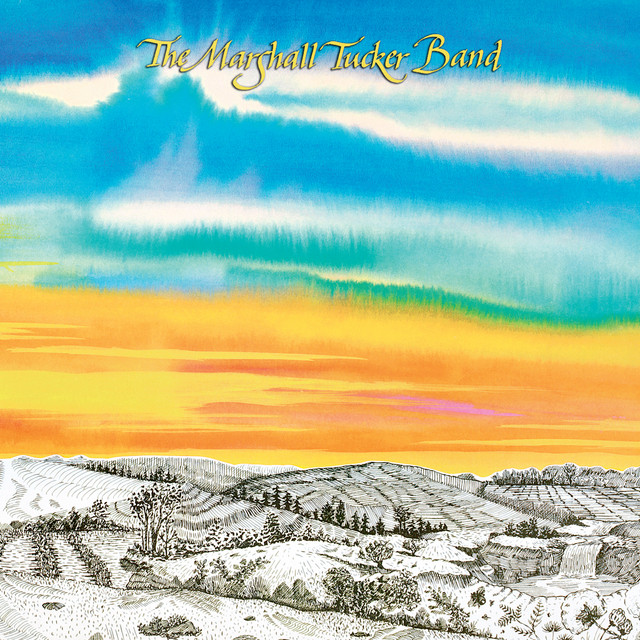
Written by Toy Caldwell, "Can't You See" debuted on The Marshall Tucker Band's self-titled album in 1973. This track exemplifies the band's unique blend of country, rock, blues, and jazz, creating a sound that diverged from the traditional country music of the time.
Narrative Depth and Emotional Honesty
At its core, "Can't You See" is a testament to the power of storytelling in music. The song speaks to the universal themes of love and longing, encapsulated in Caldwell's heartfelt lyrics. The way he expresses vulnerability through lines like
captures the essence of emotional turmoil."Can't you see, can't you see, what that woman, she been doin' to me?"
This raw honesty established a narrative style that has influenced countless artists in the genre. Caldwell's ability to articulate personal pain transformed country music's lyrical approach, paving the way for future musicians to explore similar themes.
Breaking the Mold of Traditional Country
Before the 1970s, country music often leaned towards simplistic storytelling and formulaic structures. The Marshall Tucker Band, however, blurred these lines by incorporating rock elements and complex narratives. Their sound was a departure from the polished, radio-friendly hits that characterized the era.
"Can't You See" stands out not only for its lyrical content but also for its musical composition. The extended instrumental breaks and improvisational feel showcase the band's roots in jazz and rock, which was unconventional for country music at the time. This fusion of genres further enriched the narrative, providing an emotional backdrop that resonates with listeners.
Legacy in Modern Country Music
Fast forward to today, and the impact of "Can't You See" is evident in the works of contemporary country artists. Musicians like Chris Stapleton and Kacey Musgraves have adopted a more narrative-driven approach, often drawing from personal experiences to craft songs that connect deeply with their audiences.
For example, Stapleton's emotional ballads often reflect the same kind of raw honesty found in Caldwell's writing. Tracks like “Tennessee Whiskey” tell stories of love and redemption that echo the themes of longing found in "Can't You See." The narrative depth offered by these modern artists can be traced back to the groundwork laid by The Marshall Tucker Band.
Conclusion: A Timeless Influence
As we examine the evolution of country music over the decades, it's clear that "Can't You See" has played a crucial role in shaping the narrative style of the genre. Its blend of personal storytelling and musical experimentation set a precedent that has influenced generations of artists.
The song's enduring legacy proves that good storytelling is timeless, and it continues to inspire musicians who seek to explore the complexities of love and life through their lyrics.
Did you know? The Marshall Tucker Band was formed in Spartanburg, South Carolina, and became known for their eclectic sound that incorporated various musical influences.