The Genesis of a Classic
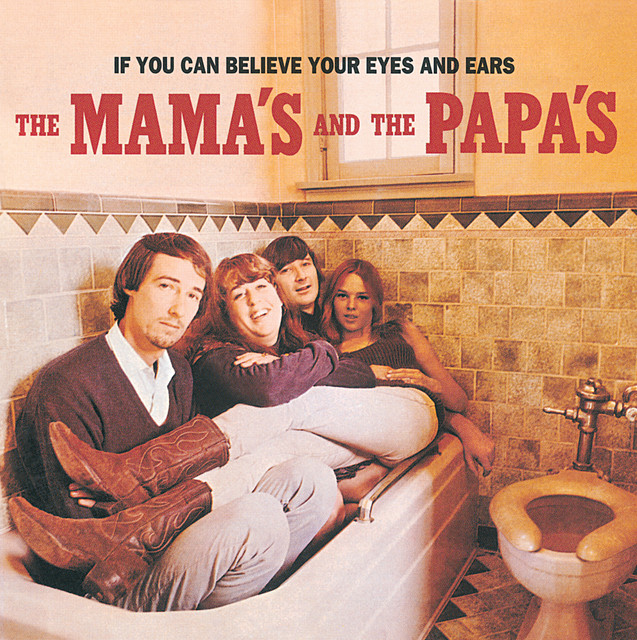
Written by John Phillips, "Go Where You Wanna Go" emerged in 1965 as a defining track for The Mamas & The Papas. The song, featured on their debut album If You Can Believe Your Eyes and Ears, encapsulated the restless spirit of the 1960s youth. But the real story lies in the behind-the-scenes dynamics that shaped its creation and subsequent impact.
The Band’s Chemistry
The Mamas & The Papas were more than just a group; they were a fascinating mix of personalities. Phillips, with his vision and songwriting prowess, often clashed with the strong wills of Cass Elliot and Michelle Phillips. These tensions fueled creativity but also led to moments of significant discord.
In interviews, John Phillips expressed how the band members' individual desires often influenced their collective output. This duality is palpable in the song's lyrics, which suggest a yearning for freedom and self-discovery. The line,
speaks to the desire for autonomy that was prevalent during the era."Go where you wanna go, do what you wanna do"
Studio Dynamics and Production
Produced by Lou Adler, known for his work with artists like Carole King, the recording sessions for the album were rife with creative friction. Adler understood that the band’s sound was rooted in their harmonies, which he skillfully captured. However, the process was often chaotic, with tensions bubbling beneath the surface.
In The Mamas & The Papas: California Dreamin' by Doug Hall, it's highlighted that the band recorded much of the album in a whirlwind of activity, often fueled by the pressures of their rising fame. This urgency contributed to the rawness of "Go Where You Wanna Go," giving it an energetic feel that resonates even today.
Lyrical Exploration and Interpretation
The lyrics of "Go Where You Wanna Go" reflect a complex interplay of aspirations and relationships. While the surface message seems to champion freedom, deeper readings reveal an underlying tension. John Phillips was influenced by his tumultuous relationship with Michelle, which adds a layer of emotional complexity to the song.
Matthew Greenwald's Go Where You Wanna Go: The Oral History of the Mamas & The Papas suggests that Phillips wrote the song partly as a commentary on his own life choices. The line
can be seen as a promise of commitment, yet it also hints at the struggle of balancing personal ambition with relationship dynamics."I’ll be there, I’ll be there"
The Legacy of the Song
"Go Where You Wanna Go" has endured as an anthem of liberation and rebellion. Its influence can be felt in the works of countless artists who followed, from Fleetwood Mac to modern indie bands who cite The Mamas & The Papas as a foundational influence. The song's message remains relevant, echoing the sentiments of today’s youth searching for their own paths.
Interestingly, the song was nearly overshadowed by another track from the same album, "California Dreamin'," which went on to become a cultural touchstone.
Conclusion: A Reflection of Its Time
The dynamics within The Mamas & The Papas, along with the societal changes of the 1960s, shaped "Go Where You Wanna Go" into a powerful statement. It remains not just a song, but a timeless reminder of the struggles for personal freedom and artistic expression that continue to define our world.