The Urban Pulse of the 1960s
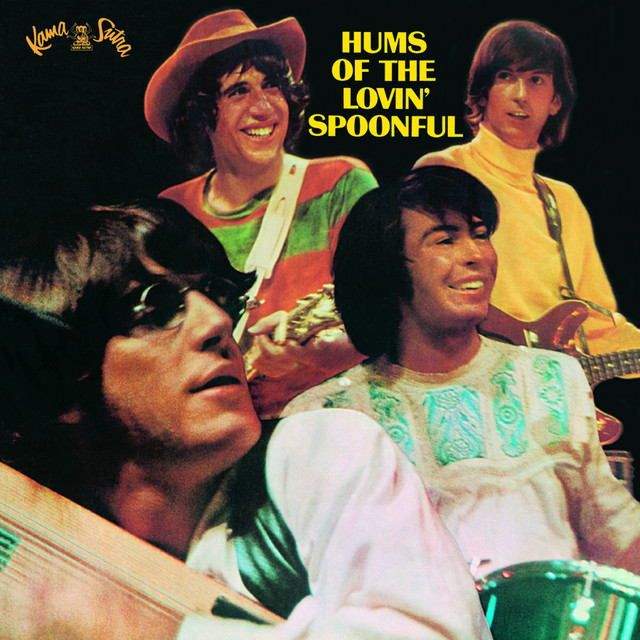
Released in 1966 on the album Hums of the Lovin' Spoonful, 'Summer in the City' by The Lovin' Spoonful stands as a vivid snapshot of urban life during a time of profound cultural change. The band, consisting of John Sebastian and Zal Yanovsky, blended folk-rock with pop sensibilities, creating a sound that resonated with the youth of their era. This remastered version of the song not only enhances the sonic clarity but also highlights the societal dynamics that shaped the experiences of young people in 1960s cities.
Heat and Hectic Life
The song's opening lines immediately transport listeners to a bustling urban environment, teeming with life and energy. The lyrics evoke the sweltering heat of summer, a metaphor for the intense emotions and experiences that defined youth culture at the time. Sebastian sings of a city that is alive, with the line,
. This captures the essence of youthful exploration and the search for connection amidst the chaos of city life."But at night it's a different world, go out and find a girl"
Social Dynamics and Youth Culture
In the 1960s, urban centers became melting pots of diverse cultures, ideologies, and lifestyles. The Lovin' Spoonful's music reflects this dynamic, with 'Summer in the City' portraying a sense of freedom and adventure. The carefree pursuit of love and fun was often overshadowed by the social upheaval of the time, including civil rights movements and anti-war protests. The chorus, with its infectious melody, invites listeners to revel in the joys of summer while subtly acknowledging the complexities of their environment.
Everyday Realities
The Lovin' Spoonful didn’t shy away from the gritty realities of urban life. Lines like
paint a picture of the physical discomfort that comes with city living, symbolizing the struggle of youth trying to carve out their identities in a rapidly changing world. This blend of joy and discomfort mirrors the duality of the 1960s experience — a time filled with both optimism and disillusionment."Hot town, summer in the city, back of my neck getting dirty and gritty"
Soundtrack to a Generation
As a product of the folk-rock movement, The Lovin' Spoonful's sound was accessible yet deeply reflective. The catchy chorus and upbeat instrumentals of 'Summer in the City' served as an anthem for a generation eager to break free from the constraints of their parents' world. It’s this balance of fun and seriousness that allowed the song to resonate with so many. The recording captures the spontaneity of youth, while still acknowledging the underlying tensions of the time.
Interesting fact: The Lovin' Spoonful was among the first rock bands to focus on a more laid-back, folk-influenced style, paving the way for future genres.
Legacy and Impact
Today, 'Summer in the City' remains a timeless classic, its themes of youthful exuberance and urban life still relevant. The remastered version brings forth the vibrant sounds of the original recording, reminding us of the cultural shifts that occurred in the 1960s. As urban youth continue to navigate their own social dynamics, the song stands as a nostalgic reminder of the joy and struggle inherent in city life.
In a world that often feels disconnected, the infectious energy of The Lovin' Spoonful's anthem encourages a sense of community and shared experience, proving that the essence of youth remains unchanged through the decades.