A Soulful Legacy
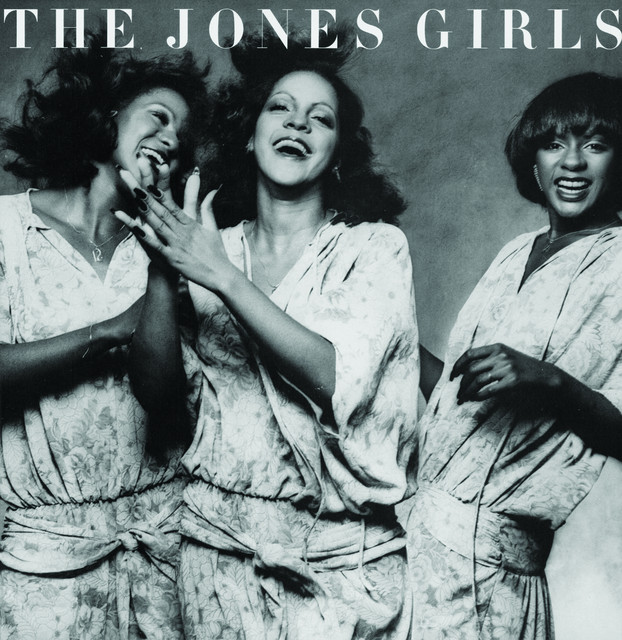
Released in 1979, "Who Can I Run To" by The Jones Girls is a shining example of the influence of 70s soul and gospel music on contemporary R&B. The track, which appeared on their self-titled album, stands out not just for its smooth production but also for its deeply emotional themes that echo the struggles of love and trust.
The Jones Girls, comprised of sisters Brenda, Shirley, and Valorie, hail from Detroit—a city synonymous with the Motown sound. Their vocal harmonies are reminiscent of the gospel traditions that permeated the soul music of the era, giving listeners a taste of both spiritual upliftment and raw vulnerability. This blending of styles is what makes "Who Can I Run To" a standout track.
Gospel Roots in Melody
The melody of "Who Can I Run To" carries a distinctly gospel flavor. The way the sisters weave their harmonies together, particularly in the chorus, is reminiscent of a church choir. The song's pleading sentiment—“Who can I run to when I need love?”—has a spiritual resonance, as if they are searching for solace not just in a partner but in a higher power.
"Who can I run to when I need love?"
This question is universal, echoing the themes found in many gospel songs, where the search for love often parallels the search for divine support.
Production and Instrumentation
Produced by the legendary Norman Harris, the track features lush instrumentation that complements the sisters’ vocal performances. The strings, a hallmark of 70s soul, wrap around the vocals like a warm embrace, enhancing the emotional weight of the lyrics. It’s this kind of rich production that evokes the classic sounds of groups like The Emotions and The Staple Singers, who similarly married gospel roots with R&B.
The instrumentation does more than just support the vocals; it elevates the song into a realm of yearning and hope. The steady groove and soulful horns provide a backdrop that feels both nostalgic and fresh, allowing the listener to become fully immersed in the experience.
Emotional Truths
At its core, "Who Can I Run To" is about vulnerability. The lyrics lay bare the fear of isolation and the need for emotional connection, themes that are timeless in both soul and gospel music. The Jones Girls manage to convey a profound sense of longing that strikes a chord with anyone who has ever felt alone in their search for love.
"Tell me where do I go, who can I run to?"
The repetition of this question throughout the song serves as a haunting reminder of the human condition. It’s a sentiment that transcends decades, illustrating how soul and gospel can speak to the heart in an unmistakable way.
A Lasting Impact
The influence of 70s soul and gospel can be seen in the work of countless artists today. From contemporary R&B singers like H.E.R. to pop powerhouses like Alicia Keys, the emotional honesty and vocal prowess that The Jones Girls exemplified in "Who Can I Run To" continues to inspire. Their legacy reminds us of the importance of authenticity in music—a trait that is often rooted in the rich traditions of the past.
Did you know? The Jones Girls were initially background singers for Diana Ross before launching their own career in 1979.
In a world where musical styles often blend together, "Who Can I Run To" remains a testament to the enduring power of 70s soul and gospel music. It’s a reminder that while times may change, the search for love and connection remains a universal theme that every generation grapples with.