The Cultural Backdrop of 'Centerfold'
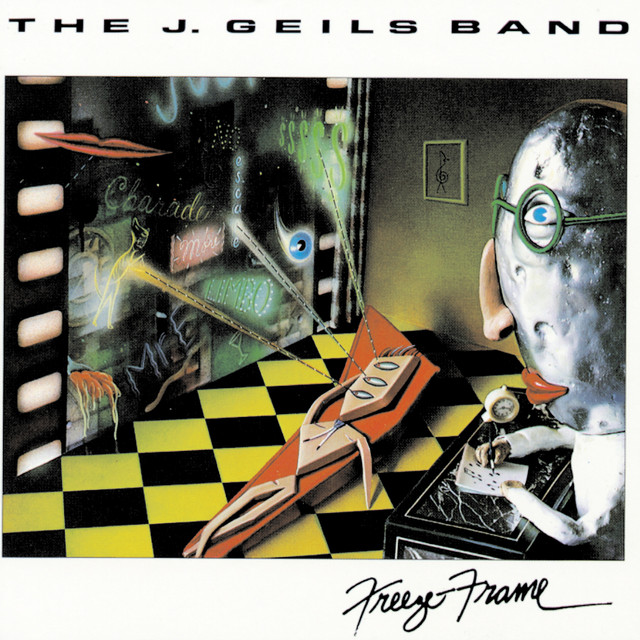
Released in September 1981 as the lead single from their tenth studio album, Freeze Frame, 'Centerfold' took the charts by storm, reaching No. 1 on the Billboard Hot 100. The J. Geils Band, led by the dynamic John Warren Geils Jr., tapped into a cultural zeitgeist that was both reflective and critical of the era's obsessions.
At its core, 'Centerfold' tells the story of a man who discovers that the girl of his dreams, a former high school crush, has become the centerfold of an adult magazine. This narrative was not just a casual observation; it was a pointed commentary on the commodification of femininity, a trend that was rampant in the late '70s and early '80s.
The Adult Magazine Influence
The adult magazine industry was booming during this period, with titles like Playboy and Hustler shaping societal views on sexuality and desirability. The lyrics of 'Centerfold' directly reflect this environment, where fantasy and reality collide. The image of a beloved figure being objectified in such a way highlights the disillusionment that often accompanies desire.
"My angel is the centerfold, my angel is the centerfold."
This refrain is both catchy and unsettling. It transforms the dream girl into an object of desire, encapsulating the tension between admiration and objectification. The irony is palpable: the protagonist's infatuation is tainted by the realization that the woman he idealizes is now just another image in a magazine, stripped of her individuality.
Beyond the Surface
The song's upbeat tempo and catchy hooks betray the deeper themes at play. The J. Geils Band cleverly disguises a serious critique of a cultural phenomenon with a danceable pop-rock anthem. The infectious energy masks the underlying sadness of the protagonist’s realization, creating a contrast that makes the song compelling.
Produced by the band's longtime collaborator, Joe Wissert, 'Centerfold' features a blend of rock and new wave elements, further emphasizing its position at the crossroads of a shifting musical landscape. The production enhances the song's playful yet serious tones, making it an enduring classic.
The Legacy of 'Centerfold'
In retrospect, 'Centerfold' serves as a time capsule of early '80s culture, capturing a moment when adult magazines were not just a form of entertainment but a reflection of societal values. The J. Geils Band's ability to weave this commentary into an accessible pop song is a testament to their songwriting prowess.
Interestingly, the song's success led to a resurgence in interest in the J. Geils Band, demonstrating the power of music to influence and reflect cultural trends.
While many of us remember 'Centerfold' for its catchy chorus and vibrant instrumentation, it’s essential to recognize the complexities of its message. It stands as a reminder of the fine line between admiration and objectification, echoing larger conversations about how we perceive and engage with desire in a media-saturated world.