Setting the Stage for Change
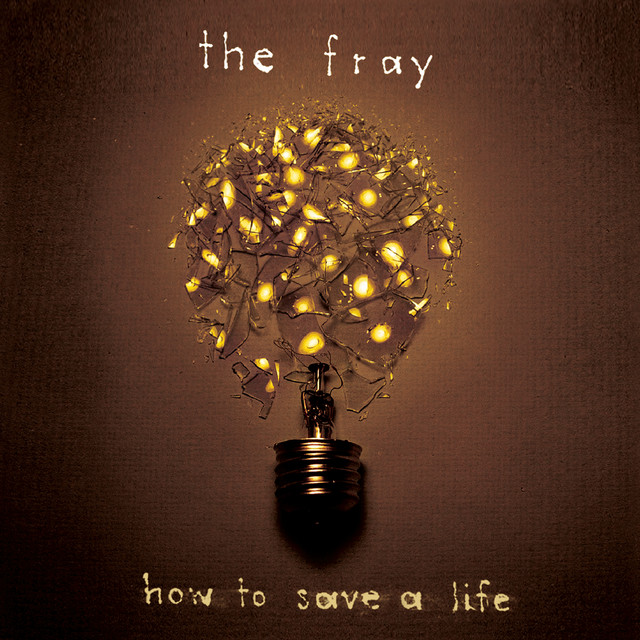
When The Fray released "How to Save a Life" in March 2006 as the second single from their debut album, it wasn't just another alternative rock track. It became a cultural milestone, thrusting the complexities of mental health into the mainstream musical dialogue.
With its earnest lyrics and haunting melody, the song captures the pain of watching someone struggle, a theme that resonates with countless listeners. The raw emotion in the vocal delivery, paired with the driving piano, creates an atmosphere that makes the listener feel as though they are part of the narrative.
Lyricism that Speaks Volumes
The opening lines set the tone:
This sets up an exploration of regret and helplessness, emotions often tied to mental health crises. The song's protagonist grapples with the inability to save a friend from their demons, reflecting a reality many face."Where did I go wrong? I lost a friend."
These sentiments have sparked broader conversations about mental health, encouraging listeners to confront their feelings rather than suppress them. The Fray's candid approach invites people to acknowledge and discuss their struggles, which is a vital step toward healing.
A Shift in the Musical Landscape
Prior to the release of "How to Save a Life," discussions around mental health in popular music were often cloaked in metaphor or dismissed altogether. This song, however, broke down those walls, providing a clear narrative that many could relate to. The Fray's willingness to address such a heavy topic helped pave the way for future artists.
In a genre often characterized by superficiality, the emotional heft of this track stands out. It was produced by Mike Flynn and Aaron Johnson, who managed to create a sound that was both radio-friendly and deeply introspective.
Lasting Impact and Cultural Relevance
The impact of "How to Save a Life" extends beyond its chart performance. The song became an anthem for those grappling with mental health issues, often used in therapy settings and support groups. Its presence on television shows and movies further solidified its role as a cultural touchstone.
In 2006, the song reached number three on the Billboard Hot 100, marking a significant moment for mental health representation in music.
As conversations about mental health have become more urgent in recent years, The Fray's track has remained relevant. Artists like Logic and Halsey have drawn inspiration from the way The Fray addressed mental health, signaling a shift in how musicians approach such themes.
Continuing the Conversation
The Fray's legacy with "How to Save a Life" endures as artists continue to explore mental health in their work. The song has opened doors for discussions that were once taboo, transforming the way we engage with these topics in music.
Ultimately, this track is more than just a song; it is a reminder of the power music holds in shaping societal attitudes. The raw vulnerability presented by The Fray invites listeners to not only reflect on their own experiences but also to reach out for help when needed.