Reflections of Reality
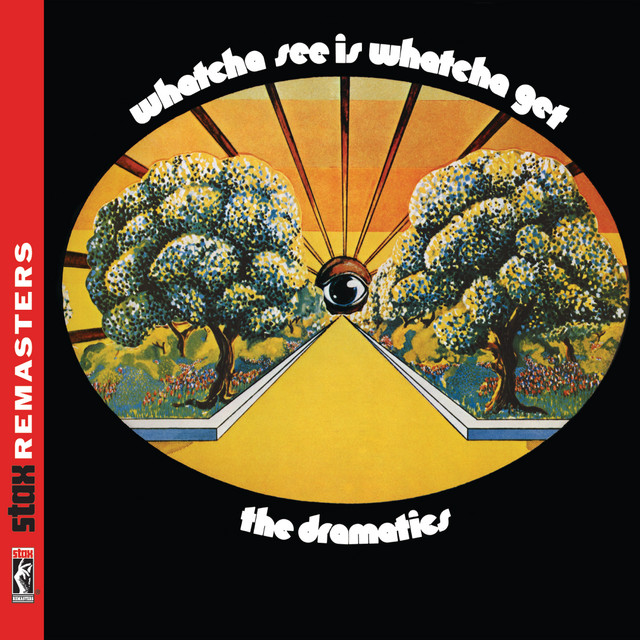
Released in 1971, The Dramatics' single "Whatcha See Is Whatcha Get" serves not just as a catchy R&B anthem but as a vivid snapshot of the socio-political climate of the time. Written and produced by Tony Hester, the song blends smooth melodies with pointed lyrics, making it both a danceable hit and a commentary on the realities of life for many African Americans in the early 1970s.
The Struggles of Authenticity
At its core, the song addresses the theme of authenticity. The phrase "Whatcha see is whatcha get" implies a straightforwardness that challenges the facades often presented by society. In a decade marked by civil rights struggles and a fight against systemic oppression, The Dramatics' message rings true. The chorus, with its insistent repetition, almost demands the listener to confront their own perceptions of reality.
"Whatcha see is whatcha get, and that's the way it is."
This line encapsulates a sentiment that many felt in the wake of the civil rights movement. After years of fighting for recognition and rights, there was a strong desire for transparency—both in personal relationships and larger societal structures.
Soundtrack of a Striving Community
The era was riddled with turmoil, yet it also birthed an explosion of creativity in music. R&B artists like The Dramatics were at the forefront, channeling their experiences into their sound. The lush instrumentation of strings and horns in "Whatcha See Is Whatcha Get" creates a rich backdrop that enhances the urgency of its message. The combination of smooth vocals and dynamic arrangements reflects the duality of joy and struggle that characterized Black life in America during this period.
The Dramatics' debut album, also titled "Whatcha See Is Whatcha Get," peaked at number 2 on the R&B charts, solidifying their place in music history.
Cultural Context and Impact
The 1970s were a time of significant social upheaval. The Vietnam War was still raging, and the effects of the civil rights movement were being felt across the nation. Music became a means of expression and resistance. The Dramatics, like many artists of the time, used their platform to speak to the issues affecting their community. The vibrancy of their sound was a counter to the harsh realities many faced.
By asserting that what one sees is what one gets, The Dramatics challenged listeners to confront uncomfortable truths. This was especially important during a time when many African Americans were grappling with the aftermath of segregation and the ongoing fight for equality.
Legacy of Honesty
The legacy of "Whatcha See Is Whatcha Get" extends beyond its catchy hook. It serves as a reminder of the power of music to reflect and influence social consciousness. The Dramatics weren't just entertainers; they were voices of a generation seeking authenticity in a rapidly changing world. Their music invites listeners to look beyond surface appearances, urging them to engage with the complexities of identity and experience.
"You can see it in my eyes, what you see is what you get."
This lyric encapsulates the essence of the song. It’s an invitation to acknowledge the struggles and triumphs of Black life in the 1970s, a plea for honesty in a world often mired in pretense.
Conclusion: A Timeless Message
The Dramatics' "Whatcha See Is Whatcha Get" remains relevant today, echoing the same calls for honesty and authenticity that defined its era. In a world where appearances often overshadow truth, the song serves as a reminder to look deeper. The music of The Dramatics continues to resonate, urging new generations to recognize that what you see can often be only part of the story.