Exploring Impermanence
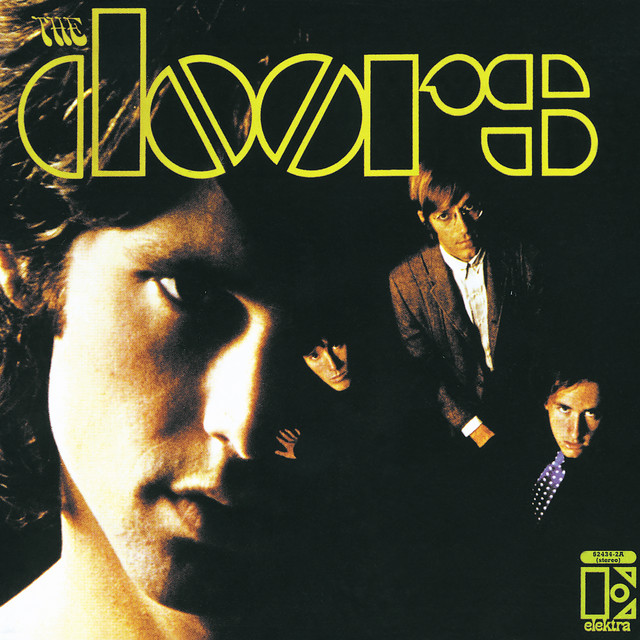
When The Doors released their debut album in 1967, they didn’t just deliver a collection of songs; they introduced a sonic experience steeped in existential inquiry. One track, "The Crystal Ship," captures the essence of impermanence, threading Eastern philosophical motifs through its haunting lyrics and sound. Jim Morrison’s poetic musings go beyond typical rock fare, echoing notions found in Buddhism and Taoism.
The Crystal Ship’s Ethereal Imagery
Morrison’s use of the “crystal ship” serves as a metaphor steeped in transience. The ship symbolizes not a vessel of travel but a fleeting experience, much like life itself. When he sings,
he evokes a sense of something beautiful yet temporary, a reminder that all things must pass. This aligns closely with Buddhist teachings on the ephemeral nature of existence."The crystal ship is being filled,"
Soundscapes Reflecting Philosophy
The instrumental arrangement complements this theme. Ray Manzarek’s haunting organ lines create a dreamlike atmosphere that feels both otherworldly and immediate, emphasizing the song’s exploration of momentary beauty. The way the music swells and recedes mirrors the cycles of life and death — a core principle in Eastern thought.
The Influence of Eastern Thought
The Doors were not only influenced by Western literary traditions but also by Eastern philosophy. Morrison’s fascination with existentialism and the mystical is palpable in the lyrics. His approach in "The Crystal Ship" reflects an understanding that attachment leads to suffering, a fundamental concept in Buddhism. The idea of letting go is subtly woven through the song, urging listeners to embrace the transient.
A Journey Through the Mind
The song invites listeners into a meditative state. Morrison’s soft, almost whispering delivery enhances the feeling of introspection. When he croons,
it suggests a detachment from sorrow, a traveler navigating the waves of emotion without clinging to them. This aligns with the Taoist notion of wu wei, or effortless action, suggesting a path of least resistance through life’s challenges."And when I’m sad, I just take a ride,"
Interestingly, "The Crystal Ship" was the B-side to the Doors' iconic single "Light My Fire," showcasing the band’s capacity for both mainstream appeal and profound introspection.
The Legacy of Impermanence
In a world increasingly obsessed with permanence, The Doors remind us of the beauty found in the ephemeral. "The Crystal Ship" serves as a sonic reminder that everything is transient, urging listeners to appreciate each fleeting moment. The philosophical underpinnings of the song elevate it beyond mere rock music, inviting a deeper contemplation of existence.
Conclusion: A Timeless Reflection
As we revisit this classic nearly six decades later, the themes of impermanence resonate as strongly as ever. The interplay of Morrison's evocative lyrics and the band’s atmospheric soundscape continues to captivate, offering a timeless reflection on life’s transient nature. In a way, The Doors not only crafted music but also shared a philosophical exploration that remains relevant in today’s chaotic world.