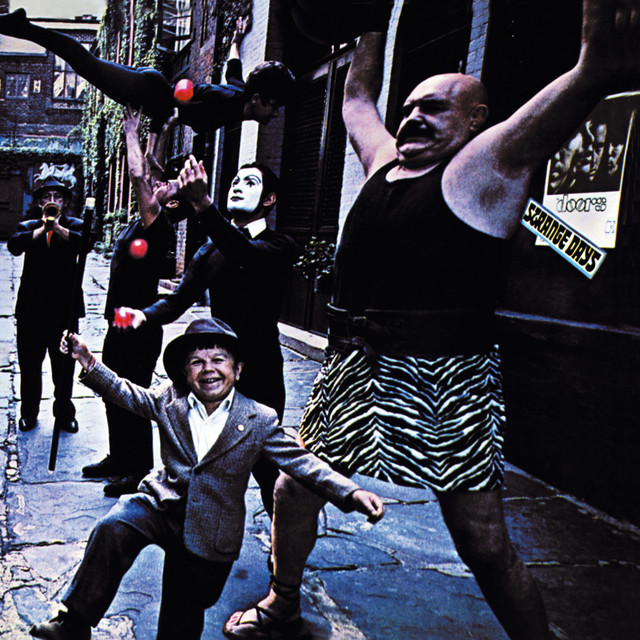
The Birth of a Cultural Revolution
When The Doors released their second studio album, Strange Days, on September 25, 1967, the world was teetering on the edge of radical social change. The 1960s were marked by a voracious appetite for freedom, experimentation, and rebellion against the status quo. The title track, 'Strange Days,' serves as a sonic manifesto for a generation grappling with shifting norms and burgeoning counterculture.
A Soundtrack for the Unsettled
From the very first notes, 'Strange Days' establishes a haunting atmosphere that mirrors the disquiet of its time. The song opens with Ray Manzarek’s eerie keyboard motif, a sound that feels both futuristic and nostalgic. This unsettling backdrop is complemented by Jim Morrison's evocative lyrics that underscore the chaos lurking beneath the surface of everyday life.
"Strange days have found us / Strange days have tracked us down"
These lines encapsulate the existential dread that many felt during this period. The reference to 'strange days' is not merely a poetic flourish; it reflects the turmoil of a society wrestling with issues such as civil rights, the Vietnam War, and the sexual revolution.
Morrison: The Poet of the Counterculture
Morrison's persona was undeniably influenced by the counterculture movement. He was not just a rock star; he was a shamanic figure, a poet who articulated the fears and desires of his generation. The Doors' music sought to disrupt conventional narratives, and 'Strange Days' is no exception. Lines like
hint at both an invitation to explore new realms and a sense of impending doom."The crystal ship is being filled"
Visions of Altered States
In many ways, 'Strange Days' echoes the psychedelic experiments that were rampant in the 1960s. The song encapsulates the spirit of exploration, reflecting the era's fascination with altered states of consciousness. This was a time when mind-expanding substances were both a rebellion against societal norms and a quest for deeper understanding.
Producer Paul Rothchild played a pivotal role in shaping the album's sound, enhancing its experimental qualities. He recognized the band's potential to blend rock with literary and theatrical elements, creating a sound that felt both raw and refined. The eerie production, coupled with Morrison’s haunting vocals, delivers a sense of otherworldliness that was emblematic of the psychedelic era.
Social Commentary Wrapped in Melancholy
As much as 'Strange Days' is about individual experience, it also serves as a commentary on the collective psyche of the time. The lyrics reflect a world in turmoil, yet they also convey a sense of yearning for connection. Morrison's appeal to listeners, urging them to embrace the 'strange days,' becomes a rallying cry for those feeling lost in the chaos of societal change.
"People are strange when you're a stranger"
This line captures the alienation experienced by many during the late 1960s. In a world that was rapidly evolving, the sense of disconnection became palpable, and Morrison's lyrics articulated that feeling with haunting clarity.
The Legacy of 'Strange Days'
The Doors' Strange Days remains a cornerstone of rock history, not just for its innovative sound but also for its cultural significance. The album arrived at a time when the battle for self-expression was at its peak, and its themes continue to resonate today. The strange days that Morrison sang about are not just relics of the past; they echo in today’s world, where uncertainty and change are constants.
Interesting Fact: 'Strange Days' was recorded in the same year as the infamous Summer of Love, a peak moment in the 1960s counterculture movement.
The influence of 1960s counterculture on 'Strange Days' is undeniable. The song articulates a collective yearning for change while encapsulating the fears and dreams of a generation. It stands as a testament to the power of music to reflect and shape the zeitgeist, making it an enduring piece of art that continues to captivate audiences.