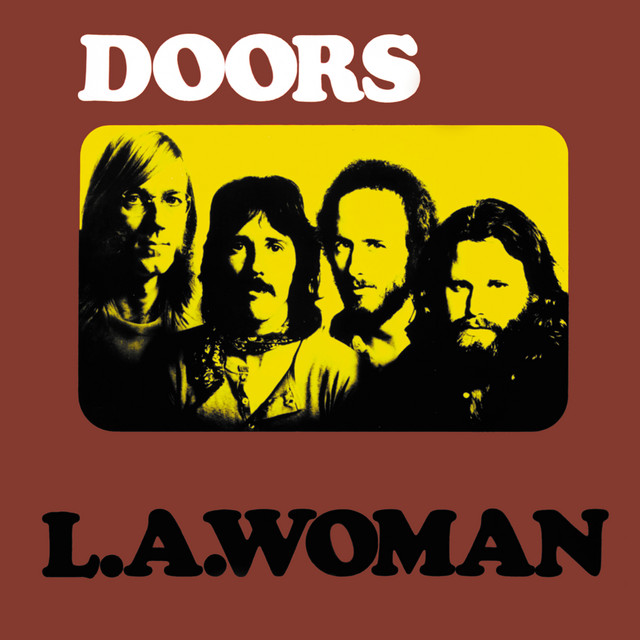
The Doors and the Counterculture
Released in June 1971, "Riders on the Storm" marked a haunting chapter in The Doors' discography, coming from their sixth studio album, "L.A. Woman." As the second single from the album, it not only peaked at number 14 on the Billboard Hot 100 but also served as a sonic embodiment of the anxieties and dreams of the American counterculture movement.
The Doors, fronted by the enigmatic Jim Morrison, were at the forefront of a cultural revolution that sought to challenge societal norms. Their music was a reflection of the chaotic 1960s and early 70s, a time when disillusionment was rampant. "Riders on the Storm" encapsulates this mood, using rain and darkness as metaphors for uncertainty and existential dread.
Soundscapes of Anxiety
The track opens with a soft, eerie keyboard riff, setting an atmospheric tone. This soundscape reflects the turbulent times — the Vietnam War, civil rights movements, and the rise of drug culture. The rain, which Morrison refers to in the lyrics, isn't just a weather phenomenon; it symbolizes a cleansing but also a foreboding.
"Into this house we're born, into this world we're thrown."
In these lines, Morrison captures the essence of the human experience. The inevitability of existence and its accompanying struggles mirror the counterculture's quest for meaning amid chaos.
Lyrics as a Reflection of Society
As the song progresses, Morrison's voice becomes more urgent, almost pleading. The lyrics portray a world filled with danger, hinting at the darker side of the counterculture. The line,
evokes the violence and paranoia of the era. It’s not just about the external threats but also the internal battles faced by those seeking liberation from societal expectations."There's a killer on the road, his brain is squirming like a toad,"
The Doors’ music was often seen as a voice for the disenfranchised, and "Riders on the Storm" is no exception. The song’s themes of isolation and fear resonate with the youth of the time, who were grappling with the aftershocks of the Summer of Love and the harsh reality that followed.
Counterculture’s Influence on The Doors
The Doors were not just passive observers of the counterculture; they were active participants. Their lyrics often challenged the status quo, and Morrison’s persona was that of a rebel. The haunting delivery in "Riders on the Storm" reflects a collective consciousness that was both seeking and questioning.
The song was influenced by the band’s experiences with the counterculture, particularly the free-spirited lifestyle that emerged during the 1960s, which included themes of exploration and existentialism.
Musically, the song's jazz-infused rock elements also broke conventional barriers, showcasing a fusion that mirrored the eclectic nature of the counterculture itself. The Doors were not just a band; they were part of a larger dialogue about freedom, identity, and the human condition.
The Legacy of Riders on the Storm
As we reflect on "Riders on the Storm," it’s clear that the song is both a product and a critique of its time. The interplay between the soothing yet ominous melody and Morrison's evocative lyrics creates a timeless piece that still resonates today.
The American counterculture movement sought to redefine societal norms, and in many ways, The Doors' music was a soundtrack to that rebellion. "Riders on the Storm" remains a powerful reminder of the struggles faced by a generation yearning for change, encapsulating a spirit of both hope and despair.
Conclusion
Ultimately, "Riders on the Storm" stands as a testament to the complexities of the human experience during a time of upheaval. Its haunting sound and introspective lyrics continue to inspire new generations, proving that the connection between music and societal movements is as profound as ever.