The Urban Isolation of the 1960s
Released in September 1967, "People Are Strange" serves as a stark reflection of the loneliness that permeated urban life during the 1960s. With its haunting melodies and Jim Morrison's eerie vocals, the song captures a sense of alienation that resonated with a generation grappling with rapid societal changes.
The Doors and 'Strange Days'
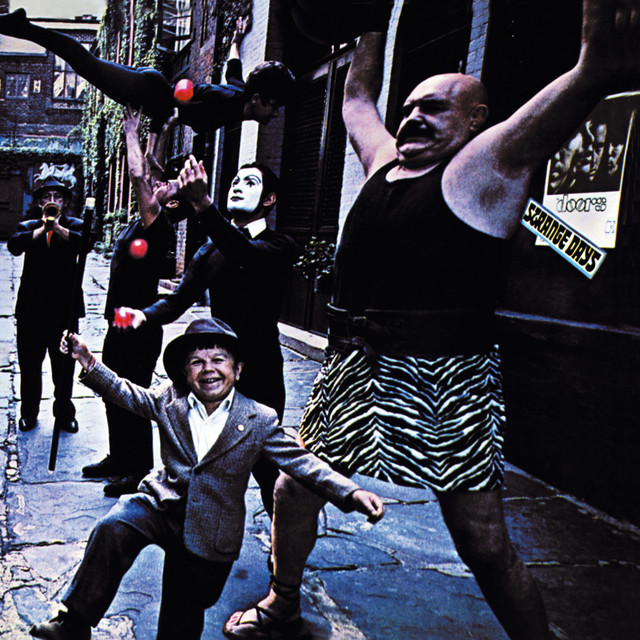
The track appears on The Doors' second studio album, Strange Days, which was produced by Paul A. Rothchild. This album followed the band's critically acclaimed debut and showcased a darker, more introspective sound. As the 1960s progressed, urban environments became increasingly crowded yet emotionally desolate, a theme Morrison and his bandmates explored in their music.
Lyrics as Reflections of Disconnection
In "People Are Strange," Morrison's lyrics articulate a profound sense of disconnection:
. This line encapsulates the experience of alienation, suggesting that in a bustling city, one can feel invisible and isolated. The irony lies in the fact that, despite being surrounded by people, emotional intimacy is often absent."People are strange when you're a stranger"
Historical Context of Loneliness
The 1960s were marked by significant upheaval — the civil rights movement, Vietnam War protests, and the counterculture revolution all contributed to a culture of disillusionment. In urban centers, this manifested in a palpable sense of loneliness, as individuals struggled to find their place amidst the chaos. The Doors tapped into this feeling, presenting it not just as personal angst but as a collective experience.
The Sound of Isolation
The instrumentation of "People Are Strange" complements its lyrical themes. The jangly guitars and haunting keyboards create a sonic landscape that feels both unsettling and familiar. The song's arrangement reflects the disorientation of urban life, where familiar streets can suddenly feel foreign. It’s a soundscape that mirrors the isolation inherent in city living.
The Cultural Impact
As the 1960s wore on, songs like "People Are Strange" began to shape the narrative of a generation. The Doors became emblematic of the era's darker undercurrents, breaking away from the idealism often associated with the decade. The isolation captured in their music resonated not just with those in cities but with anyone who felt marginalized or misunderstood.
Legacy of 'People Are Strange'
Decades later, the themes in "People Are Strange" continue to echo. The song has found new relevance in modern discussions of mental health and societal disconnection. In a world increasingly dominated by social media, the loneliness that Morrison articulated feels more pertinent than ever. The urban experience may have evolved, but the feelings of alienation remain a constant.
Did you know? "People Are Strange" was inspired by Jim Morrison's experience of feeling like an outsider while walking through Los Angeles.
A Timeless Reflection
Ultimately, "People Are Strange" transcends its time, capturing an emotion that is as relevant now as it was in the 1960s. The haunting refrain serves as a reminder that although cities may teem with life, the struggle for connection is an enduring human experience.