Surreal Inspiration in a Changing World
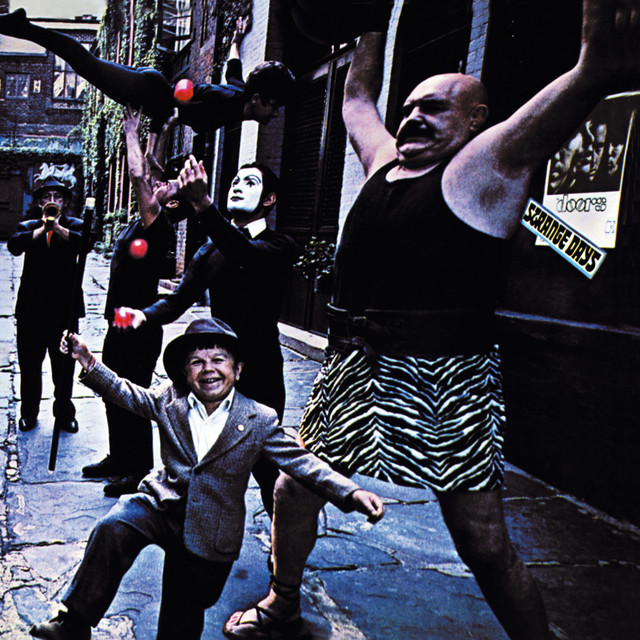
'Moonlight Drive' stands as one of The Doors' quintessential tracks, encapsulating the essence of the late 1960s—a time when the boundaries of reality felt increasingly fluid. Released on their second album, Strange Days, in 1967, the song captures a blend of dreamy escapism and impending existential dread, mirroring the social upheaval of the era.
Written by Jim Morrison and Ray Manzarek, the song opens with the hypnotic line,
—an invitation that beckons listeners into a world where the mundane transforms into something ethereal. The imagery here is striking; it suggests not just a physical journey, but a desire to escape the confines of contemporary life."Let's swim to the moon, let's climb through the sky"
A Personal Journey
Morrison's lyrics often draw from personal experiences, and 'Moonlight Drive' is no exception. The inspiration can be traced back to the summer nights spent in Los Angeles, where he and his bandmates would drive along the Pacific Coast Highway, experiencing both the beauty and the chaos of life in the city. The song's reflective tone invites a sense of nostalgia, a longing for freedom that many felt during the counterculture movement.
Did you know? The song was originally written for the band's debut album but didn't make the cut until Strange Days.
In this context, the lyrics serve as more than just poetic musings; they are a roadmap to an era defined by rebellion and exploration. The line
reveals a self-awareness that was emblematic of Morrison's artistry. He was confronting not only his own desires but also the societal norms that dictated behavior during this turbulent time."You know that it would be untrue, you know that I would be a liar"
Imagery of Freedom and Confinement
The song’s surreal imagery reflects Morrison's fascination with the duality of freedom and confinement. The moon, a recurring motif in his work, symbolizes a space of escapism, while the drive represents the journey toward that elusive liberation. In Strange Days, The Doors expertly navigate this terrain, with the music itself echoing the lyrical themes. The lush instrumentation, driven by Manzarek's swirling keyboards, creates a dreamlike backdrop that enhances Morrison's evocative words.
Lines like
are not just calls to action; they are invitations to transcend the limitations of the physical world. This juxtaposition of desire and reality runs throughout the song, making it a potent anthem for those yearning for change."Come on, baby, let's get out of this place"
The Influence of Counterculture
The social climate of 1967 cannot be ignored when discussing 'Moonlight Drive.' The counterculture movement was in full swing, with young people seeking new forms of expression and liberation. The Doors, as pivotal figures in this movement, used their music as a vehicle for exploring these themes.
By melding surreal imagery with rock music, The Doors tapped into a collective consciousness that was hungry for something more. The invitation to swim to the moon reflects not just personal desire but a broader societal yearning for freedom—both from societal constraints and the tumultuous political landscape of the time.
The Legacy of 'Moonlight Drive'
Today, 'Moonlight Drive' remains a vital piece of The Doors’ legacy. Its haunting melodies and evocative lyrics continue to resonate with listeners who find themselves caught between reality and dreams. The song is a reflection of Morrison's genius—his ability to transport audiences into a world that is at once familiar and disorienting.
In a time when many seek refuge from the chaos of everyday life, 'Moonlight Drive' serves as a reminder of the power of imagination and the importance of pursuing one's desires. The surreal imagery invites a sense of wonder that feels just as relevant now as it did in 1967, making The Doors not just a band of their time, but a timeless force in music.