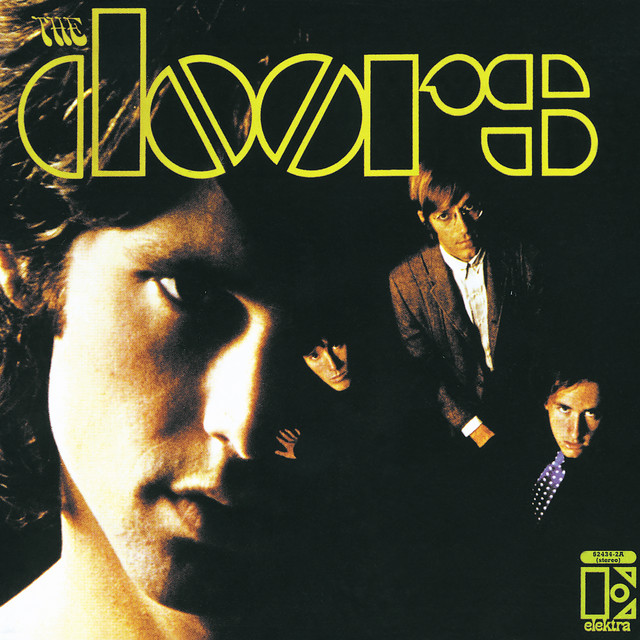
The Sound of the Sixties
When The Doors released "Light My Fire" in 1967, the world was in turmoil. The Vietnam War raged, and the counterculture movement was gaining momentum. As the anthem of the summer, this track not only captured the zeitgeist but also set the stage for the evolution of rock music. Central to its infectious sound was Ray Manzarek’s iconic keyboard work, which transformed a simple rock song into a multi-layered experience.
Manzarek: The Unconventional Maestro
Unlike many of his contemporaries, Manzarek didn’t just play chords; he created a rich soundscape. His use of the Vox Continental organ was revolutionary. It was this very instrument that provided the lush, psychedelic textures that defined "Light My Fire." The swirling organ lines were more than mere embellishments; they were the backbone of the song, orchestrating the emotional highs and lows with precision.
The Extended Jam
The song’s famous extended instrumental break is a testament to Manzarek’s prowess. This section, which features a hypnotic organ solo, showcases his ability to meld jazz and rock influences. While Robby Krieger's guitar work shines, it’s Manzarek’s keyboard that establishes the mood. The organ weaves through the melody with a sense of urgency, a sonic representation of desire that aligns perfectly with the song's lyrics.
Crafting the Atmosphere
Consider the opening lines, where Jim Morrison sings about lighting a fire. The way Manzarek responds on the keyboard creates a sense of longing that goes beyond the surface. His playing invites listeners into a world where passion and rebellion intertwine. The organ’s sound seems to echo Morrison's words,
, turning a simple plea into a universal call for connection."Come on baby, light my fire"
A Live Performance Icon
Manzarek's keyboard also played a crucial role in The Doors' live performances. Audiences were captivated by his ability to improvise, often taking the song into uncharted territories. Each concert became a unique experience, with Manzarek steering the band through a labyrinth of sound. This improvisational spirit not only solidified their reputation but also inspired countless musicians to explore the possibilities of the keyboard in rock music.
Legacy and Influence
The impact of Manzarek's keyboard work on "Light My Fire" cannot be overstated. It redefined the role of keyboards in rock, influencing bands from the progressive rock movement to modern indie acts. The song’s structure, with its blend of pop sensibilities and extended instrumental sections, paved the way for future experimentation in popular music.
Enduring Resonance
As we reflect on the legacy of The Doors, it’s essential to recognize Ray Manzarek’s contribution as a sonic architect. His keyboard work in "Light My Fire" not only showcased his technical skill but also his vision for what rock music could be. The song remains a timeless classic, a fusion of jazz, blues, and rock that still captivates new generations.
Did you know? "Light My Fire" was The Doors' first hit single, reaching number one on the Billboard Hot 100 chart in July 1967.