Transcending Love and Rebellion
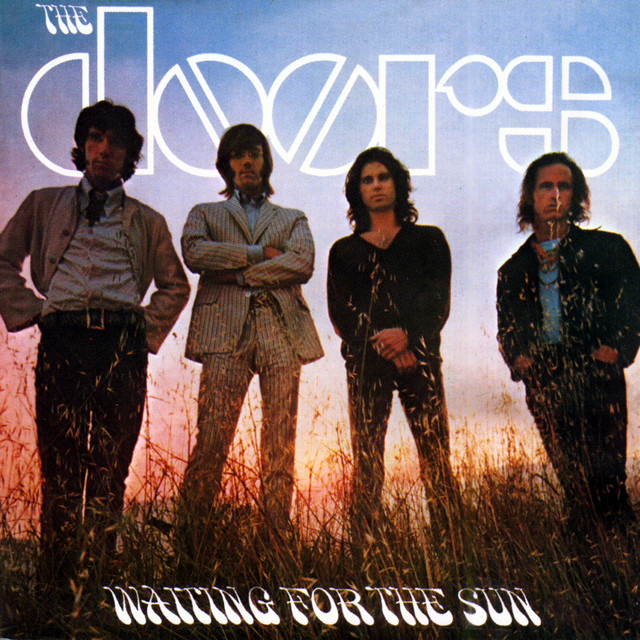
Released in 1968, The Doors' "Hello, I Love You" stands as a defining moment in both rock music and the cultural upheaval of the 1960s. As the lead single from their album Waiting for the Sun, the track melds Jim Morrison's poetic lyricism with a catchy, radio-friendly sound, capturing the essence of a generation caught between love and societal rebellion.
Musicality Meets Counterculture
Musically, the song is a departure from the darker, more introspective tones of their previous work. The vibrant melodies and rhythmic hooks reflect the era's burgeoning optimism, even as the counterculture movement was gaining momentum. Morrison's delivery, laced with both charm and bravado, invites listeners into a world where love is both a personal and political statement.
"Hello, I love you, won’t you tell me your name?"
This line encapsulates the simplicity of love amid the complexities of the time. It speaks to a collective yearning for connection and authenticity in a world increasingly dominated by consumerism and conformity. The Doors, through this song, offered an invitation to embrace love as a radical act.
A Mirror to the 60s Psyche
The 1960s were about breaking barriers and exploring new identities, and “Hello, I Love You” becomes a microcosm of that ethos. While the lyrics exude a sense of youthful exuberance, they also reflect the era’s struggle for freedom—both personal and societal. In a time when the Vietnam War raged and civil rights movements demanded attention, love was a form of resistance.
Influence on the Counterculture Movement
As the counterculture flourished, so did the significance of music as a medium for change. The Doors became anthemic for many who sought to challenge the status quo. Their sound, characterized by Ray Manzarek’s haunting organ riffs, gave a voice to the disenchanted youth who felt alienated by mainstream society.
Interestingly, "Hello, I Love You" was one of The Doors' most commercially successful singles, reaching number one on the Billboard Hot 100 chart.
Contrasting Themes in Love and War
While love is the focal point in "Hello, I Love You," its upbeat nature contrasts sharply with the turmoil surrounding the era. This duality is a hallmark of The Doors' artistry, as they often navigated themes of pleasure and pain, ecstasy and despair. The song's infectious energy invites listeners to dance, even as the world outside calls for introspection and action.
"You’ve got the power, to make me feel..."
This lyric speaks to the empowerment that love can offer, symbolizing a refuge from the chaos of the outside world. It underscores the idea that in times of distress, love serves as a potent force that can inspire change and foster resilience.
The Lasting Legacy
The impact of “Hello, I Love You” on the 60s counterculture extends beyond its musicality. The song became a staple of the era's soundtrack, often played at protests and gatherings where love, freedom, and expression were celebrated. Its legacy persists today, reminding us of a time when music was not just entertainment, but a powerful vehicle for social change.
The Doors, through this track, invite us to explore the complexities of love in an age defined by turmoil. As we listen, we are reminded that love is not merely a feeling but an act of defiance, a challenge to the norms that seek to contain us.