The Call to Adventure
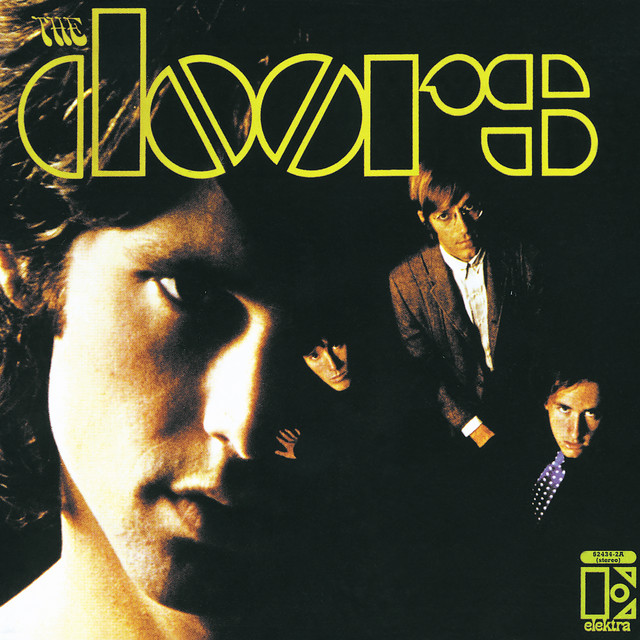
'Break On Through (To the Other Side)' is more than a mere opening track; it’s a declaration of intent from The Doors, setting the stage for a musical journey that defies convention. Released in 1967 as part of their self-titled debut album, the song encapsulates Jim Morrison’s existential yearning and philosophical musings. The urgency in Morrison’s voice, coupled with Ray Manzarek’s swirling keyboards, creates an atmosphere that feels both electric and hypnotic.
A Portal to the Other Side
The lyrics serve as an invitation to transcend ordinary life. With lines like,
, Morrison beckons listeners to leave behind their mundane existence. This pursuit of enlightenment ties directly to his interest in Eastern philosophies, particularly Buddhism and Hinduism, which emphasize breaking through the illusions of the material world."Break on through to the other side"
Morrison's Mystical Quest
Morrison’s fascination with Eastern thought didn’t arise in a vacuum. Influenced by the beat poets and the counterculture of the 1960s, he sought a deeper understanding of existence. His readings of Eastern texts, such as the Bhagavad Gita and teachings on Zen Buddhism, inform much of The Doors' lyrical content. In 'Break On Through,' this transcendental quest is palpable, as he grapples with the boundaries of self and consciousness.
The Sonic Landscape
The instrumental arrangement further enhances this theme. Robby Krieger’s sharp guitar riffs and John Densmore’s propulsive drumming create a sense of urgency, embodying the struggle to break free from societal norms. The song’s driving rhythm mirrors the relentless quest for higher states of awareness, a core tenet of many Eastern philosophies.
Contradictions and Dualities
Morrison himself was a complex figure, embodying contradictions that resonate throughout the song. He was both a shaman and a rock star, a poet and a provocateur. His desire to explore the 'other side' can be seen as both a personal journey and a societal critique. The lyrical refrain of
suggests a recognition of the emptiness in hedonism, urging listeners to seek something deeper."We chased our pleasures here"
Symbolism and Spirituality
The idea of breaking through serves as a potent metaphor for spiritual awakening. Morrison's exploration of dualities—between the self and the universe, the material and the spiritual—mirrors Eastern philosophical teachings. His use of imagery evokes the notion of enlightenment, a theme common in both the song and the broader context of the era's spiritual exploration.
Beyond the Music
Morrison's connection to Eastern philosophies extends beyond 'Break On Through.' Tracks like 'The End' and 'When the Music's Over' further delve into themes of death, rebirth, and the cyclical nature of existence. This thematic continuity showcases Morrison’s relentless pursuit of understanding, making The Doors not just a band, but a vessel for philosophical exploration.
Legacy of the Song
While some critics have dismissed 'Break On Through' as falling short of the high standards set by The Doors, it remains a powerful testament to Morrison’s vision. The song’s fusion of rock and philosophy laid the groundwork for what would become a hallmark of the band’s sound—an exploration of the human condition intertwined with spiritual inquiry.
A Lasting Impact
Today, 'Break On Through (To the Other Side)' continues to resonate with those seeking a path beyond the superficial. Its call to transcendence is as relevant now as it was in the tumultuous 1960s. Morrison, with his enigmatic persona and poetic lyricism, invites each listener to reflect on their own journey, urging them to break through the barriers that confine their spirit.
Jim Morrison was known to have explored various Eastern philosophies, which profoundly influenced his poetry and songwriting.