The Blues Roots of 'Back Door Man'
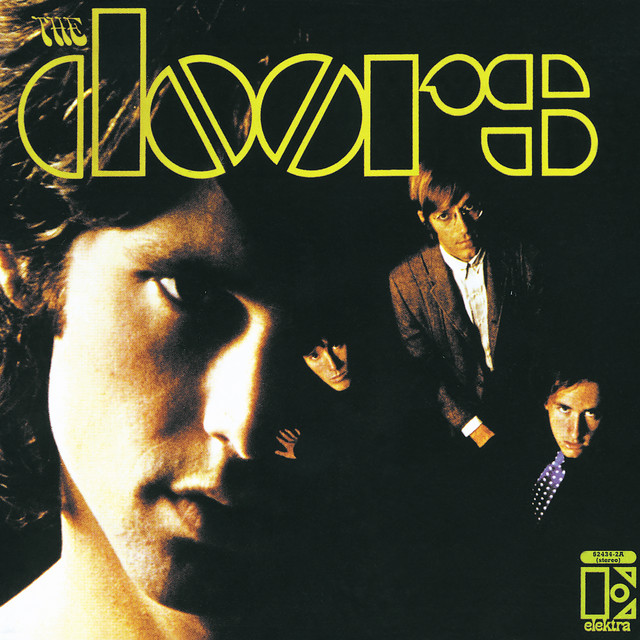
'Back Door Man', originally written by Willie Dixon and immortalized by Howlin' Wolf in 1960, is a cornerstone of the blues genre. This gritty track, with its sultry undertones and raw energy, captures a world where desire and deceit intertwine. The Doors, under the guidance of producer Paul A. Rothchild, included this cover on their self-titled debut album released in 1967, bringing a fresh rock edge to a classic blues narrative.
Morrison's Duality
Jim Morrison's interpretation of 'Back Door Man' is particularly revealing when viewed through the lens of his tumultuous personal life. Much like the song's protagonist, who sneaks in through the back door to steal moments with a lover, Morrison often lived in the shadows of his public persona. His relationship with Pamela Courson, his longtime girlfriend, reflected this duality. She was both his muse and a source of deep emotional conflict.
The Back Door as a Metaphor
The 'back door' in the song serves as a powerful metaphor for Morrison’s own escapism. The line “I’m a back door man” signifies not just infidelity, but also a deeper sense of alienation and the need to navigate the world on his own terms. This mirrors Morrison’s struggles with fame and the pressures of being a rock star. His wild lifestyle often led him to seek refuge in intimate, hidden experiences, away from the glaring light of the public eye.
"I’m a back door man, I do all the things that I can"
Love and Turmoil
Morrison's relationship with Courson was notoriously tumultuous, marked by passion and pain. Their love story was a rollercoaster of highs and lows, much like the emotional peaks in 'Back Door Man'. The lyrics speak to a sense of urgency and secrecy that likely echoed Morrison’s own experiences with love and lust. He often turned to Courson for solace, but their bond was frequently strained by substance abuse and infidelity.
Cultural Context and Influence
Moreover, the cultural backdrop of the 1960s, rife with sexual liberation and countercultural movements, influenced Morrison's interpretation of the song. The blues tradition — with its exploration of heartache and desire — resonated deeply within the burgeoning rock scene. By covering 'Back Door Man', Morrison not only honored the blues but also infused it with a rock sensibility that spoke to his generation's restless spirit.
Interesting fact: 'Back Door Man' was also featured in the 1980 film 'The Doors', further cementing its connection to Morrison's legacy.
Legacy of 'Back Door Man'
Ultimately, 'Back Door Man' serves as a poignant reflection of Jim Morrison's life — a blend of raw sexuality, emotional depth, and the constant push and pull of fame. The song's bluesy undercurrents mirror Morrison's own struggles with identity and his complex relationships, especially with Courson. It’s a testament to how music can encapsulate the intricacies of human experience, making Morrison's cover not just a performance, but a deeply personal expression.
A Timeless Connection
As 'Back Door Man' continues to echo through the ages, its connection to Jim Morrison’s life story remains a powerful reminder of the artist's struggles and triumphs. The song is more than just a cover; it’s a gateway into the soul of a man who lived on the edge, forever searching for a way in or out, through the back door.