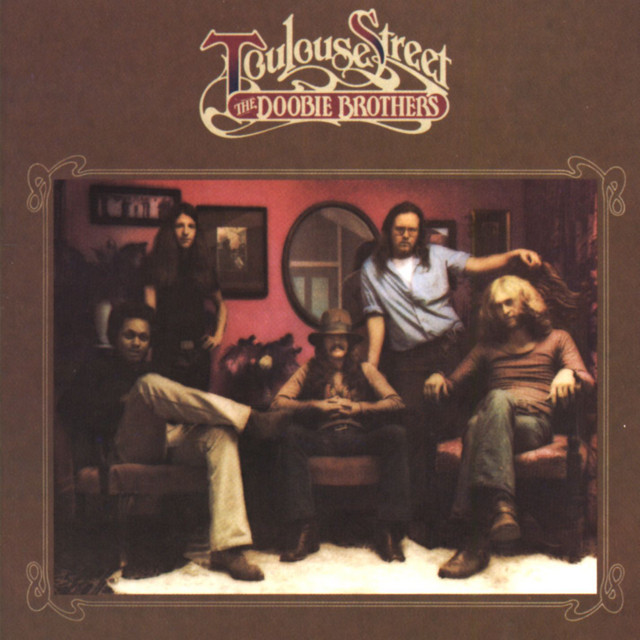
The Sound of a Generation
In 1972, the Doobie Brothers released "Listen to the Music" on their second album, Toulouse Street. This track didn't just climb the charts; it became an anthem of a generation yearning for connection and change. With its infectious melody and open-hearted lyrics, the song mirrors the ethos of the counterculture movement that was sweeping across America at the time.
A Call for Unity
The lyrics of "Listen to the Music" echo a call for togetherness, reminiscent of the communal spirit fostered in the late 60s and early 70s. The refrain, urging listeners to "listen to the music and let it take you higher," is a direct invitation to experience liberation through sound. In a decade marked by social upheaval, the Doobie Brothers tapped into a collective desire for harmony amidst chaos.
"Listen to the music, listen to the music, listen to the music."
Musical Influences
Musically, the song blends rock, folk, and soul elements, a reflection of the diverse influences that characterized the counterculture movement. The Doobie Brothers, with their unique sound, created a sonic space that felt both fresh and familiar. The band's ability to weave together different genres exemplifies the era's exploration of new musical horizons, transcending traditional boundaries.
The Doobie Brothers were formed in San Jose, California, a hotbed for the counterculture movement, which heavily influenced their music style.
Social Context
The early 70s were a time of significant social change. The Vietnam War, civil rights movements, and environmental concerns were at the forefront of public consciousness. "Listen to the Music" emerged during this turbulent time as a reminder of the healing power of music. It called for unity and understanding in a divided society, resonating with the sentiments of those who had been disenfranchised or disillusioned.
Legacy and Impact
While the Doobie Brothers would later achieve commercial success with hits like "Black Water" and "What A Fool Believes," it was "Listen to the Music" that set the stage for their legacy. This track not only showcased their musical prowess but also embedded them firmly within the cultural landscape of their time.
The enduring popularity of the song is a testament to its timeless message. Decades later, it continues to inspire new generations, reminding us of the unifying power of music.