Old Number Seven and the Allure of Outlaw Culture
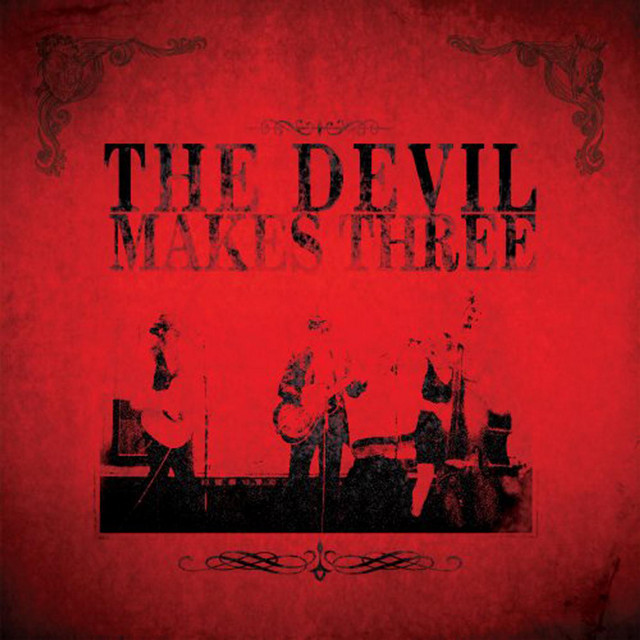
In the rich tradition of American folk music, few songs conjure the spirit of outlaw culture quite like The Devil Makes Three's "Old Number Seven." Released in 2006 on their album Long John Silver, this track captures the gritty essence of a life spent on the fringes, where whiskey flows like a river and the law is just a suggestion.
The song is a love letter to the underbelly of American society, painting a vivid picture of the struggles and pleasures that come with living outside the rules. The protagonist's relationship with whiskey, personified as “Old Number Seven,” serves as both a comfort and a curse, embodying the duality of the outlaw lifestyle. As the lyrics unfold, it becomes clear that this isn’t just about a drink; it's an ode to freedom and the inevitable consequences that follow.
"I got a feeling that I'm gonna die young / So I'm gonna drink my whiskey and have some fun"
This line succinctly captures the reckless abandon that defines much of the outlaw narrative. The acknowledgment of mortality paired with a hedonistic urge is a cornerstone of the archetype. Through this lens, The Devil Makes Three taps into a long line of American musicians who have romanticized the life of the outcast.
The Legacy of the Outlaw
Outlaw culture in America has roots that run deep, from the gunslingers of the Wild West to the rebellious spirits of the 20th century. Artists like Johnny Cash and Waylon Jennings paved the way, creating a space where the struggles of the common man could be sung about with sincerity. This is the same space The Devil Makes Three occupies, where stories of hardship are laced with humor and grit.
The connection between "Old Number Seven" and this legacy is unmistakable. The song acts as a modern-day folk tale, where the protagonist's escapades echo those of the legendary outlaws who came before him. The raw authenticity of the acoustic arrangement further emphasizes this link, allowing listeners to feel the weight of every note.
The Devil Makes Three has been noted for their unique blend of bluegrass, folk, and punk, bringing a fresh perspective to traditional Americana.
Whiskey: A Symbol of Freedom and Folly
Whiskey has been a longstanding symbol in American outlaw culture, often seen as both a companion and an adversary. In "Old Number Seven," it represents the joyous highs and devastating lows of life outside societal norms. The repeated references to whiskey throughout the song serve to reinforce this duality, illustrating how it can both liberate and imprison.
Lines that detail the protagonist's indulgence are steeped in irony. There’s a sense of celebration intertwined with the acknowledgment of impending doom. This duality is mirrored in the very fabric of outlaw culture, where freedom comes at a price.
"And if I die before I wake / I pray the Lord my soul to take"
Here, the lyrics take a darker turn, grounding the listener in the reality that this lifestyle is not without its risks. The playful energy of the song is inevitably undercut by a somber acknowledgment of mortality, a hallmark of many classic outlaw ballads.
The Devil Wears Prada: A Cultural Touchstone
Interestingly, while "Old Number Seven" and its themes are steeped in the ruggedness of American folklore, the phrase “the devil wears Prada” evokes a different kind of rebellion—one that challenges societal expectations through fashion and status. Though seemingly disparate, both phrases speak to the idea of defiance, whether it be against law enforcement or against societal norms.
The 2006 film The Devil Wears Prada illustrates this clash of cultures, where the pursuit of success and acceptance often leads to a loss of identity. In contrast, "Old Number Seven" revels in the simplicity of life lived on one's own terms, celebrating the freedom that comes with embracing the outlaw spirit.
Conclusion: An Anthem for the Outlaws
The Devil Makes Three’s "Old Number Seven" is more than just a catchy tune; it serves as an anthem for those who feel marginalized by society. Its connection to American outlaw culture is palpable, reflecting a rich history of rebellion and freedom. In a world that often demands conformity, the song stands as a reminder of the beauty found in living authentically, even if it leads to chaos.
As we continue to navigate our own lives, the echoes of such songs remind us that the spirit of the outlaw lives on, urging us to embrace our choices—however reckless they may be.