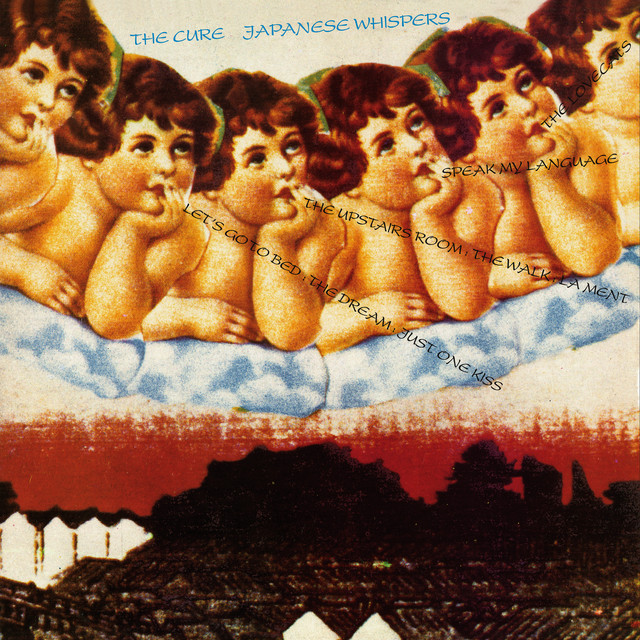
The Playful Tone of 'The Lovecats'
Released in October 1983 as a stand-alone single, "The Lovecats" marked a significant departure for The Cure, showcasing a playful and upbeat sound that contrasted sharply with their earlier, darker works. Produced by the band’s longtime collaborator, Mike Hedges, the song is built on a bouncy, jazz-inflected bassline that dances under Robert Smith's whimsical vocals.
Personal Context and Inspiration
Smith's lyrics in "The Lovecats" reflect a certain levity that was perhaps a reaction to the intense emotions explored in previous albums like "Faith" (1981). The song's tongue-in-cheek perspective on love suggests a desire to escape the weight of existential dread that often permeates his music. Lines like
evoke a sense of playfulness, illustrating a relationship that thrives on spontaneity and whim."We move like cagey tigers"
Breaking Away from Expectations
The Cure had established themselves as harbingers of post-punk melancholy, yet with "The Lovecats," Smith seemed to embrace a different side of his artistry. The track features an irresistible melody that invites listeners to dance rather than wallow. This shift can be seen as a deliberate choice to challenge the expectations surrounding the band's identity.
The song was a commercial success, reaching No. 7 in the UK charts, and remains one of The Cure's most recognizable tracks.
Love and Identity
At its core, "The Lovecats" navigates themes of love and identity through a lens that feels both lighthearted and profound. The juxtaposition of the upbeat sound with the undercurrents of emotional complexity is a hallmark of Smith's writing. The line
hints at the insecurities that can accompany romantic relationships, all while being delivered in a catchy, sing-along manner."You know I don't care about your other boys"
The Music Video's Impact
The accompanying music video further emphasizes this playful aesthetic, featuring Smith and his bandmates in a colorful, surreal setting that matches the song's whimsical tone. The visual representation of cats—aligned with the lyrics—adds another layer of charm and absurdity, reinforcing the idea that love can be both serious and silly.
A Legacy of Playfulness
While The Cure would continue to explore darker themes in subsequent albums such as "The Head on the Door" (1985) and "Kiss Me, Kiss Me, Kiss Me" (1987), "The Lovecats" stands as a testament to their range. It's a reminder that beneath the brooding exterior lies a band capable of embracing joy in their storytelling.
Conclusion: A Timeless Classic
The enduring appeal of "The Lovecats" lies in its ability to capture the duality of love—its joy and its anxieties—through a lens of whimsy. Smith's playful lyricism and the song's infectious melody make it a timeless classic that continues to resonate with fans old and new.