The Gift of Love
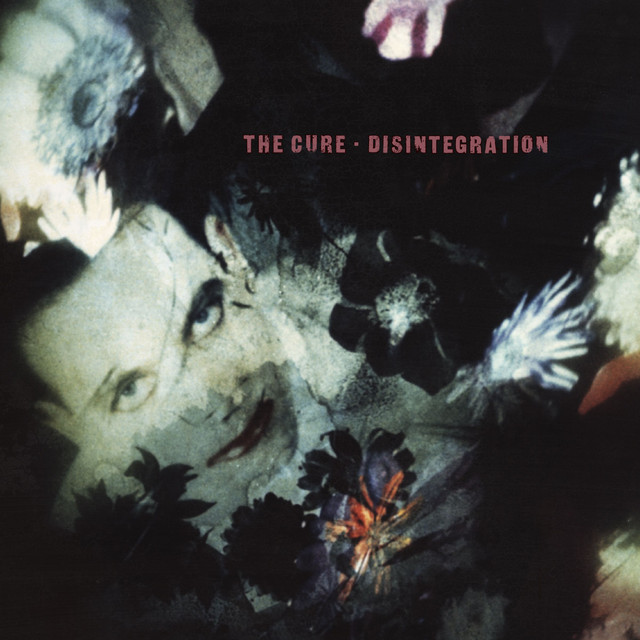
When The Cure released "Lovesong" as the third single from their 1989 album, Disintegration, few could have predicted the song's trajectory. It’s not just a staple of the band's discography; it’s a timeless anthem that encapsulates the essence of romantic devotion. Yet, the backstory behind its creation offers a surprising twist: it was essentially a wedding gift from Robert Smith to his fiancée, Mary Poole.
Smith wrote "Lovesong" during a period of intense creativity, culminating in an album that would define the band's sound for years to come. The track stands out with its lush instrumentation and heartfelt lyrics that convey an unwavering promise of love. The sentimentality is palpable, especially given its roots as a personal message to Poole.
A Personal Touch
In interviews, Smith has recounted how the song was penned as a way to express his feelings in a manner that transcended mere words. He intended it as a declaration that would accompany their wedding, making the song not just a hit but a lasting vow. This personal touch adds a layer of depth to the music, transforming it from a generic love song into a profound expression of commitment.
"Whenever I'm alone with you, you make me feel like I am home again."
The lyrics speak to a universal experience, yet they are innately specific to Smith's own relationship. The feeling of safety and belonging that he describes is something many aspire to find in their own partnerships. This duality is a hallmark of The Cure's work; they manage to blend personal narrative with broader themes that resonate with a wide audience.
The 2010 Remaster Experience
The 2010 remaster of "Lovesong" brings new life to this classic. The production, enhanced by the original's atmospheric soundscapes, allows listeners to appreciate the intricate layers of instrumentation that drive the emotional weight of the song. The haunting guitar riffs, combined with Smith's iconic vocals, elevate the already poignant lyrics.
Fans of The Cure often cite "Lovesong" as one of their definitive tracks, and the remastered version does justice to its legacy. It reaffirms the band's ability to craft songs that are both deeply personal and universally relatable.
A Legacy of Love
Over the years, "Lovesong" has become a wedding favorite, often played to celebrate love and commitment. This phenomenon speaks not only to Smith's intentions but also to the song’s ability to connect with listeners on a visceral level. It serves as a reminder that love songs can be more than just catchy melodies; they can encapsulate profound emotions and moments that define our lives.
"And if you could see me now, I’m in my place and I’ll be waiting for you."
These lines reflect a longing that many can relate to, making the song a timeless piece that evokes emotion regardless of the listener's circumstances. The fact that it was inspired by Smith's real-life relationship adds authenticity to its appeal.
Did you know? "Lovesong" was originally intended as a wedding gift for Robert Smith's fiancée, Mary Poole, highlighting the song's personal roots.
As we revisit "Lovesong" through the lens of its 2010 remaster, we celebrate not only its musical brilliance but also the intimate story behind its creation. It stands as a testament to the power of love, art, and the connections we forge through music.