Melancholy Meets Melody
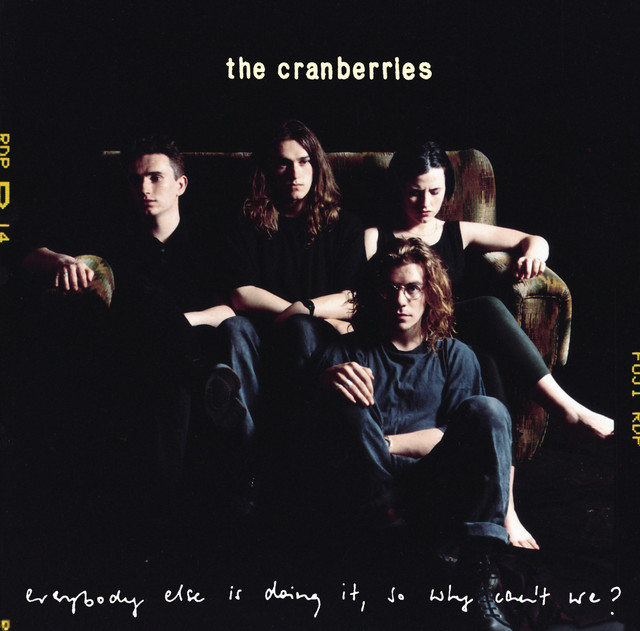
When The Cranberries released "Linger" in 1993, it wasn’t just another song in the burgeoning alternative rock scene; it was an emotional revelation. The band’s debut album, Everybody Else Is Doing It, So Why Can’t We?, introduced a sound that combined ethereal melodies with raw, heartfelt lyrics. The orchestration of "Linger" stands out, blending strings and soft guitar riffs to create a haunting backdrop for Dolores O’Riordan’s evocative vocals.
The song opens with a delicate guitar strum that sets a reflective tone. As it builds, the addition of lush strings transforms the track into something almost cinematic. It’s this orchestration that allows "Linger" to transcend the typical confines of alternative rock, making it a staple of the genre.
Emotional Resonance
At its core, "Linger" is about longing and regret, themes that resonate universally. O’Riordan’s soaring vocal delivery captures a sense of vulnerability that is palpable. Lines like
encapsulate the pain of betrayal, and her voice quivers with sincerity. This emotional honesty is what made The Cranberries a voice for a generation — they didn’t shy away from the messy complexities of love."Were you lying all the time? Was it just a game to you?"
Unlike many of their contemporaries, who leaned heavily into grunge’s angst or punk’s aggression, The Cranberries wielded a different kind of power: one rooted in vulnerability. It’s a testament to their artistry that "Linger" became an anthem of introspection in a decade marked by bravado.
Rethinking Alternative Rock
The impact of "Linger" on the 90s alternative music scene cannot be overstated. While bands like Nirvana and Pearl Jam dominated the airwaves with their raw energy, The Cranberries introduced a softer, more melodic approach that challenged genre norms. The haunting orchestration allowed them to carve out a unique space — one that welcomed emotional exploration alongside the more conventional themes of rebellion.
As the 90s progressed, other artists began to embrace this blend of fragility and strength. Bands like Radiohead and even later acts like Coldplay drew inspiration from this emotional depth. The orchestration of "Linger" paved the way for a generation of musicians willing to explore their emotions openly.
Did you know? "Linger" was inspired by O’Riordan's first experience with love and heartbreak, infusing the song with genuine emotion.
Legacy and Influence
Decades later, the influence of "Linger" is still felt in modern music. Artists across genres have cited The Cranberries as a major influence, with their ability to convey deep emotion through melody. The song's orchestration has been emulated and referenced, but rarely matched in its haunting beauty.
The Cranberries didn’t just contribute to 90s alternative music; they reshaped it. Their unique sound and emotional honesty opened doors for future artists to explore similar themes. "Linger" remains a touchstone — a reminder that vulnerability can be just as powerful as any loud guitar riff.
Conclusion: An Anthem of Introspection
In a time when the music world was often about angst and rebellion, "Linger" offered a refreshing perspective. The haunting orchestration and heartfelt lyrics provided a new lens through which to view love, loss, and longing. As we reflect on the legacy of The Cranberries, it’s clear that "Linger" is not just a song of the 90s; it’s a timeless anthem that continues to resonate with listeners today.