The Duel of Fate
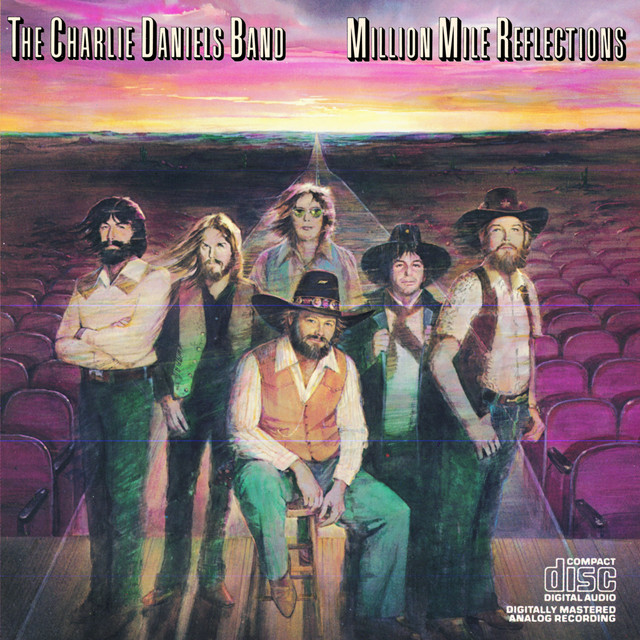
When Charlie Daniels released "The Devil Went Down to Georgia" in 1979 as part of the album Million Mile Reflections, he didn’t just deliver a catchy Southern rock anthem. He conjured a story that would capture the imagination of countless listeners: a high-stakes fiddle duel between a young musician named Johnny and the devil himself. This track is not merely about a contest of skill; it’s a vivid retelling of a narrative steeped in Southern folklore, reflecting the timeless theme of good versus evil.
Myth Meets Reality
The song's roots can be traced back to the rich oral traditions of the South, where tales of musicians outsmarting malevolent forces are prevalent. Daniels drew inspiration from various legends, notably the story of fiddlers who would make deals with the devil. The fiddle, a quintessential instrument of Southern culture, becomes a symbol of more than just musical prowess; it embodies the spirit of defiance against darker forces.
"The devil went down to Georgia, he was lookin' for a soul to steal."
This opening line sets the stage for a narrative that is both thrilling and cautionary. The devil is not just an antagonist; he represents the seduction of temptation that can lead to one's downfall. Johnny, with his youthful bravado and skill, steps up to the challenge, embodying the archetypal hero who refuses to back down.
A Slice of Southern Culture
Daniels' portrayal of Johnny is a reflection of the Southern ethos: a mix of pride, resilience, and a touch of bravado. The fiddle duel serves as a metaphor for the struggles faced by many in the rural South, where music is a means of expression and a way to confront life's adversities. The rapid-fire fiddle playing mimics the tension and urgency of the contest, pulling listeners into the fray.
Did you know? The song reached number one on the country charts and has been covered by numerous artists, cementing its status as a classic in both country and rock music.
Real-Life Inspirations
While the song's narrative is fictional, it was largely influenced by the Southern tradition of fiddling competitions. Daniels himself grew up in North Carolina, where music was an integral part of community life. The legendary fiddler, Doc Watson, and other local musicians likely shaped Daniels’ understanding of the cultural significance of the fiddle. These real-life influences lend authenticity to the mythic tale of Johnny.
Moreover, the essence of the song reflects a broader cultural commentary on the challenges faced by artists. The duel with the devil can be interpreted as a metaphor for the struggles of maintaining artistic integrity amid commercial pressures—an issue that still resonates with musicians today.
Legacy of the Duel
The impact of "The Devil Went Down to Georgia" extends beyond the charts. It has become a staple in popular culture, featured in movies and television shows, and has inspired countless interpretations. The song's electrifying energy and narrative depth have allowed it to endure across generations.
"If you win, you get this shiny fiddle made of gold."
This line speaks not only to the stakes of the duel but also to the rewards of artistic achievement. It serves as a reminder that the pursuit of excellence, even in the face of overwhelming odds, is a journey worth undertaking.
Conclusion: A Modern Folk Tale
Ultimately, Charlie Daniels' "The Devil Went Down to Georgia" is more than just a story of a fiddle duel; it’s a modern folk tale that continues to inspire. The real-life inspirations woven into the narrative highlight the enduring legacy of Southern culture and the universal struggle between good and evil. As long as there are stories to tell and music to play, the spirit of Johnny and his fateful duel will remain alive.