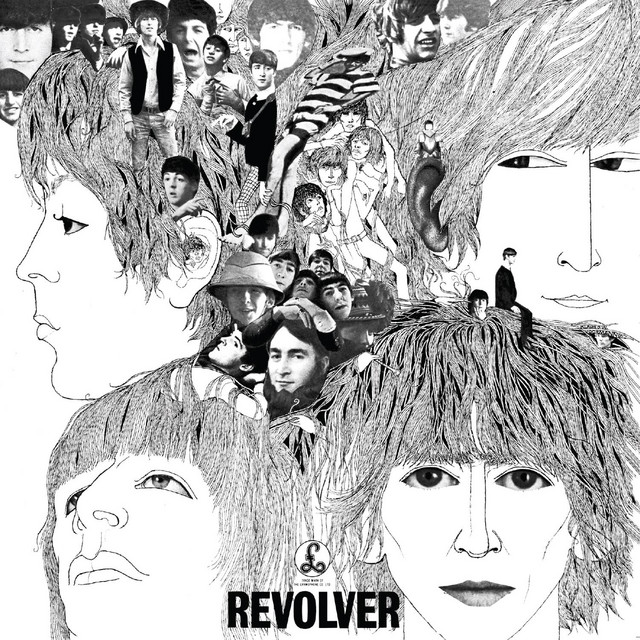
Innovative Soundscapes and Studio Techniques
Released in 1966 on the album Revolver, "Tomorrow Never Knows" marked a seismic shift in music production. John Lennon, drawing inspiration from the Tibetan Book of the Dead, created a song that was less about conventional lyrics and more about evoking an experience. The track was the culmination of The Beatles' collaboration with producer George Martin, who embraced cutting-edge studio techniques that would influence generations.
The Role of Technology
Martin's work on the track included the use of tape loops, vari-speed recording, and automatic double tracking. This was an era when the recording studio became an instrument in its own right. The layers of sound in "Tomorrow Never Knows" were revolutionary, with loops of sitar and backward guitar creating a psychedelic atmosphere that had never been heard before.
John Lennon: The Visionary
Lennon’s vision was not just to make music but to push its boundaries. He famously described the song as "the greatest leap into the future" of The Beatles' recording career. His insistence on innovation helped the band break free from the constraints of traditional pop music. The song's mantra-like vocals, where Lennon sings,
encapsulate this desire to explore consciousness rather than mere melody."Turn off your mind, relax and float downstream,"
Influence on Future Generations
The impact of "Tomorrow Never Knows" extends far beyond its initial release. Artists like David Bowie and later, electronic musicians, drew inspiration from the experimental techniques employed in the track. It initiated a shift towards studio experimentation that became a hallmark of the rock genre in the late 60s and 70s. The song effectively paved the way for the concept album, where thematic coherence overtook the need for standalone hits.
A New Approach to Music Production
This song exemplified a radical new approach to music production, moving away from the live band sound that dominated the early rock 'n' roll era. The Beatles' willingness to experiment with non-musical elements, such as field recordings and sound effects, redefined what could be considered music. The emotional depth of the track, paired with its innovative sound, made it a cornerstone of the psychedelic rock movement.
The Fifth Beatle's Legacy
George Martin's influence on "Tomorrow Never Knows" is often overlooked. His role as the "Fifth Beatle" cannot be understated; he was instrumental in transforming Lennon's abstract ideas into fully realized sonic experiences. The collaboration showcased a unique synergy between artist and producer that is now a standard in music production.
Interesting fact: The use of tape loops in "Tomorrow Never Knows" was so innovative that it inspired a wave of experimental music in the decades that followed.
Conclusion: A Lasting Impact
Ultimately, "Tomorrow Never Knows" stands as a testament to The Beatles' relentless pursuit of innovation. By marrying profound lyrical content with groundbreaking production techniques, the song not only changed the Beatles but also transformed the entire landscape of popular music. Its legacy is felt in every experimental sound that followed, making it a true landmark in the history of music production.