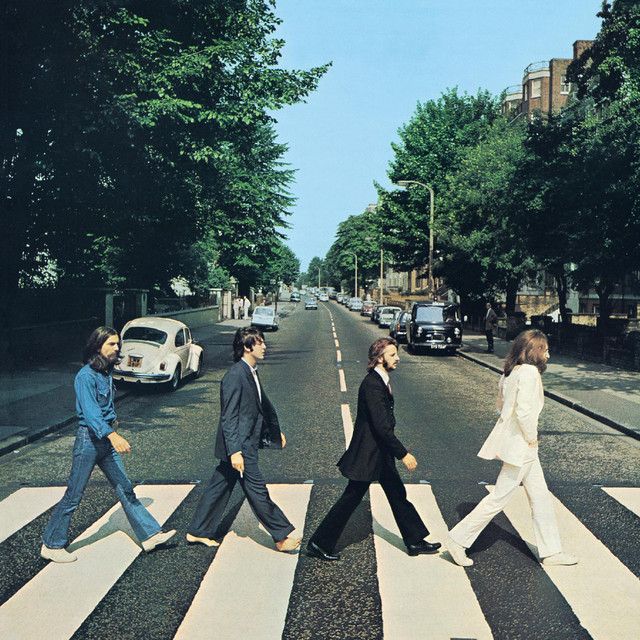
The Unlikely Star of Abbey Road
When one thinks of The Beatles' landmark album, Abbey Road, iconic tracks like "Come Together" and "Here Comes The Sun" often steal the spotlight. However, nestled within the album’s second side is a quirky little tune called "Mean Mr. Mustard," a song that, despite its brevity, plays a crucial role in the album's ambitious narrative.
A Nod to the Unconventional
Written by John Lennon during the band's 1968 trip to India, "Mean Mr. Mustard" is a character study of a miserly man who embodies the absurdity that often colored the Beatles' work. The song’s whimsical lyrics and bouncy melody contrast sharply with the darker themes explored in other Abbey Road tracks.
"Mean Mr. Mustard sleeps in the park, / Shaves in the dark, / Trying to save paper."
This playful portrayal of a man’s eccentricities complements the album's exploration of human behavior, especially as it transitions into the more serious reflections found in "She Came In Through the Bathroom Window" and "Polythene Pam." The connection is not just thematic but musical, creating a seamless flow that carries listeners through the second half of the album.
The Influence of the Fifth Beatle
While discussing the sonic evolution of The Beatles, it’s impossible to overlook the impact of producer George Martin, often referred to as the “Fifth Beatle.” His innovative production techniques helped transform Lennon’s simple songwriting into something far more complex. In "Mean Mr. Mustard," Martin’s touch is evident in the layered harmonies and the vibrant instrumentation that give the song its unique charm.
“Mean Mr. Mustard” was recorded during a time of both tension and creativity within the band, highlighting the contrast in their dynamics.
Transitions in the Album
The placement of "Mean Mr. Mustard" is strategic; it serves as a bridge between the lighter and darker moments of Abbey Road. Following it is the frenetic energy of "Polythene Pam," which shifts the mood dramatically. This contrast showcases the versatility of The Beatles, allowing them to explore various musical styles while maintaining a cohesive narrative.
A Soundtrack for Change
Abbey Road was released in 1969, a time of social upheaval and change, and the songs reflect that cultural climate. In this context, "Mean Mr. Mustard" stands out as a reminder of the absurdity of life amid chaos. The light-hearted nature of the song provides a brief respite from the weightier themes of existentialism and disillusionment that permeate the album.
"His sister Pam, / Carries the bag, / You can see it in her eyes."
The lyrics not only paint a vivid picture of Mr. Mustard but also hint at the interconnectedness of people in society. This notion is echoed throughout Abbey Road, where relationships become a focal point, illustrating the Beatles' understanding of the human condition.
Legacy in the Beatles' Catalog
Over the years, "Mean Mr. Mustard" has often been overshadowed by its more famous counterparts. Yet, its significance cannot be understated. It encapsulates a moment in The Beatles’ creative journey, showcasing their ability to blend the whimsical with the profound. This balance is what made their music resonate with generations.
Conclusion: A Lasting Impression
As listeners revisit Abbey Road, it’s essential to acknowledge the understated brilliance of "Mean Mr. Mustard." Its role in the album is not merely as a filler but as a vital piece of a larger puzzle that reflects the complexities of life. In the end, this quirky little song is a testament to The Beatles’ genius, reminding us that even the most eccentric characters have their place in the grand narrative of music history.