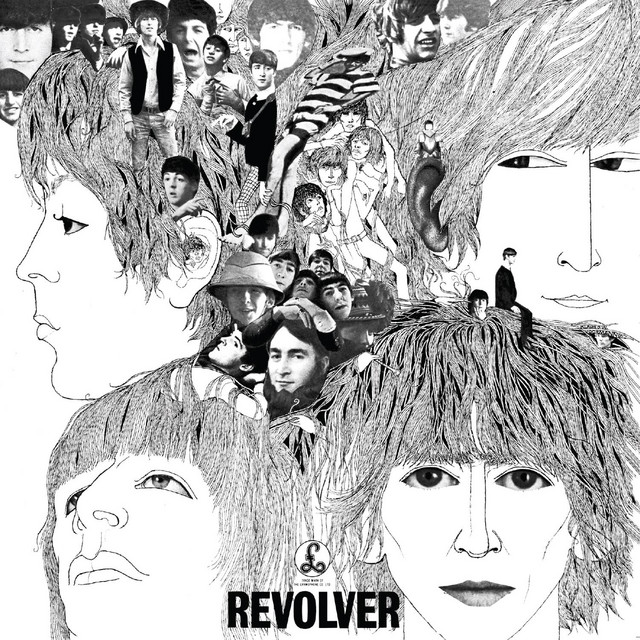
The Eastern Influence on Western Pop
When The Beatles released "Love You To" on their 1966 album Revolver, it wasn’t just another song—it was a cultural pivot point. Written by George Harrison, the track is one of the first mainstream pop songs to incorporate Indian instrumentation and philosophy, a bold step that reflected the growing fascination with Eastern spirituality in the 1960s.
The song features the sitar, a clear departure from the conventional rock setup of guitars and drums. This incorporation of Indian music wasn't merely a gimmick; it was a reflection of Harrison's genuine interest in Indian culture, heavily influenced by his study of sitar with Ravi Shankar. The soundscape of "Love You To" is enveloping, and the lyrics, discussing love and devotion, resonate with themes found in Indian philosophy.
"Make love all day long, make love singing songs"
These lines illustrate not just a romantic ideal but a broader call to embrace love as a lifestyle, a concept that echoed the counterculture's ethos of peace and communal living. This was a time when young people were turning away from materialism and towards spirituality, exploring new ways of living and being.
Counterculture and the Beatles' Role
The Beatles' journey through the 1960s parallels the rise of the counterculture movement itself. As they transformed from pop idols into cultural icons, their music began to reflect the changing social landscape. Harrison's exploration of Indian influences in "Love You To" aligns with the growing interest in alternative lifestyles and philosophies, serving as a soundtrack for an era that sought to redefine norms.
By 1966, The Beatles were no longer just a band; they had become a voice for a generation disillusioned with conventional values. "Love You To" is emblematic of that shift. The song's blend of Eastern and Western musical elements speaks to a broader dialogue about cultural exchange that was happening at the time, challenging the status quo.
Interesting fact: George Harrison's interest in Indian music not only influenced The Beatles but also inspired countless artists in the following decades, from the Byrds to contemporary indie bands.
The Legacy of 'Love You To'
In the context of the 1960s counterculture, "Love You To" can be seen as a catalyst for a larger acceptance of diverse cultural influences in Western music. The song's remastered version in 2009 highlighted its enduring relevance, reminding listeners of the Beatles' role in pushing boundaries and exploring new territories. It’s a testament to how art can reflect and shape societal changes.
As we revisit this track today, its themes of love and enlightenment continue to resonate. The counterculture movement was about more than music; it was about a collective awakening, and "Love You To" succinctly captures that spirit. The song was a bridge to new ideas and practices that challenged listeners to think beyond the confines of their everyday lives.
Conclusion: A Timeless Message
"Love You To" stands as a reminder of the transformative power of music. The Beatles, especially Harrison, were unafraid to incorporate and celebrate different cultures, paving the way for future generations of musicians to do the same. In a modern context, as we face our own societal challenges, the message of love and connection in this song feels more relevant than ever.