Folk Influences in a Rock Revolution
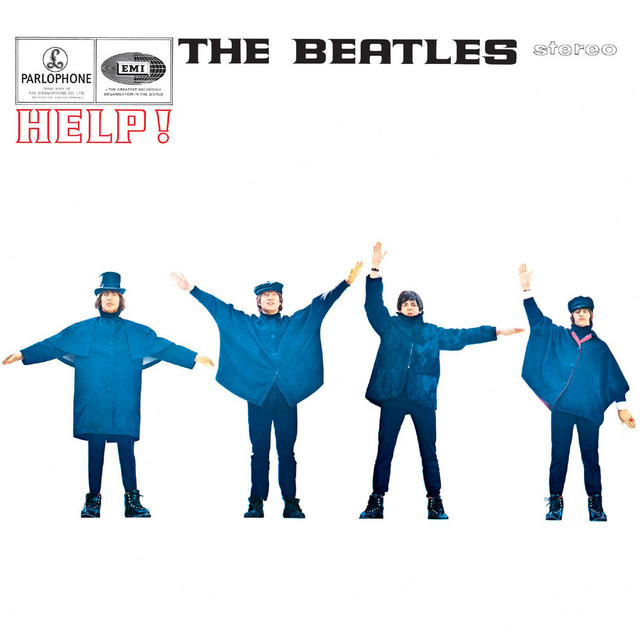
When thinking of The Beatles, the mind often drifts to their electric riffs and experimental soundscapes. Yet, nestled in the heart of their 1965 album Help! is a gem that reveals a different facet of their artistry: "I've Just Seen a Face." This track, primarily credited to Paul McCartney, stands out not just for its catchy melody but for its deep roots in folk music traditions.
Released in August 1965, "I've Just Seen a Face" achieves a remarkable blend of folk sensibility with rock elements. Its acoustic guitar-driven arrangement and lilting rhythm evoke the spirit of traditional folk songs, creating an unexpected juxtaposition within the broader context of the album, which includes more pop-oriented tracks. The song's simplicity and directness reflect a style often associated with folk, emphasizing storytelling and emotional immediacy.
The Acoustic Backbone
The arrangement of "I've Just Seen a Face" is stripped back, highlighting the acoustic guitar and McCartney's earnest vocals. The song's verses flow like a narrative, drawing listeners into a moment of romantic realization. Lines like
showcase McCartney's knack for capturing fleeting emotions, a hallmark of folk songwriting."I've just seen a face I can't forget, the time or place where we just met"
In the mid-1960s, folk music was undergoing a renaissance, influenced by artists such as Bob Dylan and Joan Baez. The Beatles, keenly aware of the shifting musical landscape, incorporated these influences as they advanced their sound. This song is emblematic of that transition, merging folk's storytelling essence with the band's evolving rock identity.
A Departure from the Norm
Unlike many of their contemporaneous tracks that relied heavily on studio production and electric instrumentation, "I've Just Seen a Face" maintains a rawness that reflects the folk revival. The decision to favor acoustic instrumentation creates an intimacy that is often absent in their other works from the same era. This stripped-back approach allows the song to breathe, inviting listeners to focus on the lyrics and melody rather than elaborate production techniques.
Interestingly, while "I've Just Seen a Face" was included in the UK release of Help!, it was not included in the North American version, highlighting the differing approaches to album composition during that time.
Legacy of Folk in Rock
As The Beatles continued to evolve, their incorporation of folk elements became increasingly sophisticated, culminating in works like Rubber Soul and Revolver. "I've Just Seen a Face" serves as an early indicator of this trajectory. Its blend of folk and rock not only foreshadows the band's future explorations but also reflects a broader trend in the 1960s where genres began to intermingle.
Folk music's influence on this track is evident in its lyrical content, where McCartney's storytelling mirrors the narrative style of traditional folk songs. The song's romantic urgency, captured in lines like
, evokes the kind of emotional depth often found in folk narratives."Is it me you say you love?"
Conclusion: Rediscovering the Roots
In a catalog filled with experimentation and innovation, "I've Just Seen a Face" serves as a reminder of The Beatles' diverse musical influences. Its folk roots are often forgotten in discussions of their legacy, overshadowed by their more popular rock anthems. Yet, this track is pivotal in understanding the band's evolution and the ways in which they bridged the gap between folk and rock.
As listeners revisit this classic, it's worth acknowledging the intricate layers that make up The Beatles' discography. "I've Just Seen a Face" deserves its place not just as a delightful pop song but as a significant piece of folk-infused rock history that highlights the band's versatility and awareness of the musical currents of their time.