The Weary Mind Behind the Music
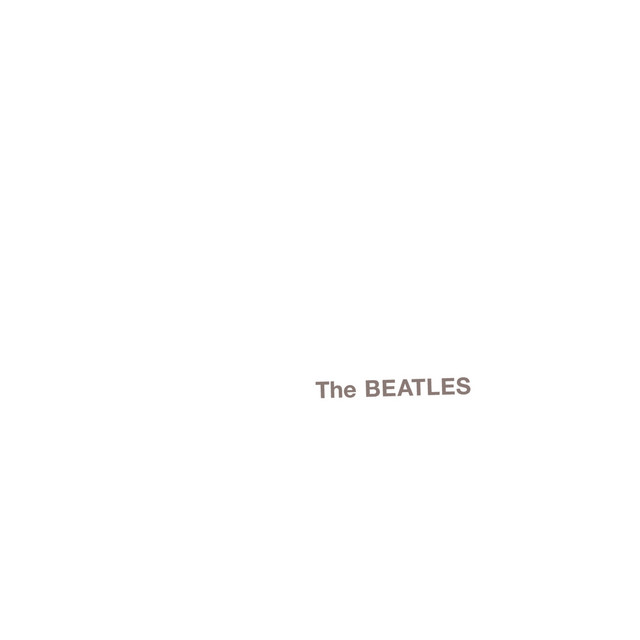
John Lennon’s struggle with insomnia during the late 1960s is more than a mere anecdote; it is a crucial thread in the fabric of The Beatles' songwriting. One of the most striking examples of this influence is found in "I'm So Tired," a track from the 1968 double album, *The Beatles* (often referred to as the White Album). This song serves as a raw reflection of his mental state at the time, capturing the essence of sleeplessness and frustration.
From Exhaustion to Expression
Recorded during a period of intense pressure, both personally and professionally, Lennon's insomnia seeped into his lyrics. The song opens with an almost haunting admission:
This line not only sets the tone but also pulls listeners into a world of dreary fatigue. It encapsulates a universal feeling—one that resonates even decades later."I'm so tired, I haven't slept a wink."
The Beatles' Creative Dynamics
Lennon’s influence on The Beatles was profound, and his candidness regarding his inner turmoil contributed to a shift in the band's lyrical themes. The group, often thought of as a harmonious collective, bore the weight of individual struggles. Lennon’s candid expression of his insomnia in "I'm So Tired" reflects a growing willingness to confront vulnerability in their music—a stark contrast to earlier, more whimsical works.
Lennon often referred to his insomnia as a source of inspiration, claiming that it forced him to confront his thoughts and emotions in ways that a restful night never could.
Production and Sound
The remastered version of the song, released in 2009, brought new clarity to its haunting melody and Lennon's distinct vocal delivery. Produced by George Martin, the track features a minimalist arrangement that allows Lennon’s weary vocals to shine through, enhanced by subtle harmonies from Paul McCartney. This sonic simplicity underscores the emotional weight of the lyrics, making the listener feel the fatigue Lennon's experiencing.
A Reflection of the Times
Insomnia was not just a personal struggle for Lennon; it echoed a broader sense of disillusionment in the late 1960s. Amidst the chaos of the changing social landscape, he articulated a feeling of helplessness that many were grappling with. Lines like
serve as both a lament and a warning, encapsulating the pressures faced by not just artists but society as a whole."You'd better get some sleep, you know you need it."
The Legacy of 'I'm So Tired'
As the years have passed, "I'm So Tired" has taken on new meanings, particularly in the context of mental health discussions. Lennon's frankness about his sleepless nights resonates with those who experience similar struggles today. The song is a testament to how personal challenges can lead to profound artistic expression, shaping not only the artist's work but also the cultural narrative of an entire generation.
Final Thoughts
Ultimately, John Lennon’s insomnia was not merely a biographical detail; it was a catalyst for creativity. "I'm So Tired" stands as a powerful reminder of how personal demons can fuel the art we cherish, turning sleepless nights into timeless music. In a world that often glorifies productivity, Lennon's work urges us to acknowledge our vulnerabilities and the beauty that can emerge from them.