Resting in Rebellion
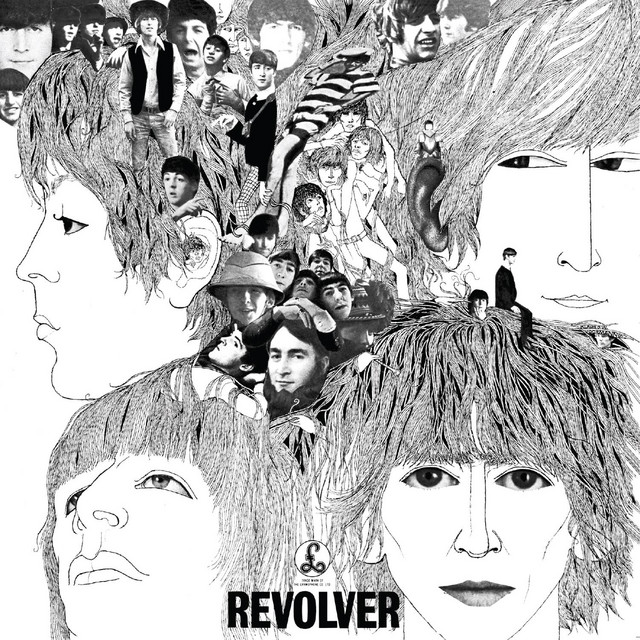
The Beatles' "I'm Only Sleeping," featured on their groundbreaking 1966 album Revolver, presents a layered critique of societal norms through its seemingly simple narrative of a man who prefers to stay in bed. Remastered in 2009, the track showcases John Lennon’s unique ability to blend personal sentiment with broader social commentary, illuminating a disenchanted perspective on the hustle of contemporary life.
A Dreamy Disconnection
The song opens with a languid guitar riff that sets the tone for a world where waking life feels burdensome. Lennon’s lyrics, delivered with a sense of detachment, explore themes of alienation and the desire to escape from societal expectations. When he sings,
, he encapsulates the stigma attached to those who reject the relentless pace of modern existence. This line hints at a deeper critique of a society that equates productivity with worth."Everybody seems to think I'm lazy"
Challenging the Norms
At its core, "I'm Only Sleeping" challenges the notion that busyness equates to value. The protagonist’s reluctance to conform to a 9-to-5 lifestyle reflects a growing disillusionment with monotony. The repeated refrain,
, serves not only as a personal mantra but also as a broader statement about the disenfranchised. In a world that glorifies constant activity, Lennon's character finds solace in sleep, suggesting that opting out can be an act of rebellion."I don't mind, I think I'll sleep away the day"
The Sound of Surrender
The production of the song further enhances its themes. George Martin’s brilliant arrangement, filled with backward guitar effects and dreamy harmonies, creates an ethereal soundscape that mirrors the protagonist's desire to retreat from reality. The surreal quality of the music is a perfect complement to the lyrics, making the listener feel the weight of the protagonist's slumber.
Isolation vs. Connection
Lennon’s introspection highlights a tension inherent in the human experience: the struggle between isolation and the desire for connection. Lines like
capture the frantic energy of those who are caught in the societal grind. Yet, rather than chase dreams, the narrator opts for stillness, revealing a profound critique of a world obsessed with achievement."People running 'round, they’re chasing all their dreams"
Did you know? "I'm Only Sleeping" was one of the first Beatles songs to experiment with studio techniques, showcasing their innovative approach to music production.
Enduring Relevance
Nearly six decades later, the sentiments expressed in "I'm Only Sleeping" resonate with contemporary listeners who grapple with a similar sense of fatigue. In an era defined by hustle culture and digital distractions, Lennon’s plea for a slower pace feels both timely and transformative. This song is not merely about sleeping in; it’s a manifesto for mental health, self-acceptance, and a rejection of societal pressures.
Conclusion: A Call to Rest
The genius of "I'm Only Sleeping" lies in its ability to convey a complex social critique through the lens of personal experience. The song’s masterful blend of lyrics and production invites listeners to question their own relationship with rest and productivity. As we navigate the demands of modern life, Lennon's wish to "sleep away the day" becomes a potent reminder of the importance of stepping back and finding peace in solitude.