The Birth of a Rock Anthem
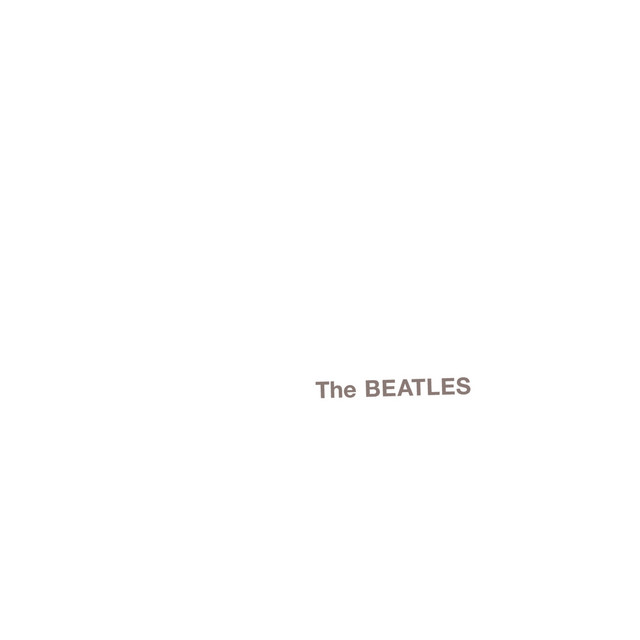
When The Beatles ventured into the chaos of 'Helter Skelter', they weren't just creating a song; they were crafting a sonic maelstrom. Released on the 1968 album 'The Beatles'—commonly known as the White Album—this track stands as a testament to their willingness to push boundaries. The remastered version in 2009 brought a new clarity to its raw energy, showcasing production techniques that were revolutionary for their time.
Embracing Rawness
Paul McCartney, who penned the song, sought to capture the essence of a live performance, aiming for something that felt unrefined and visceral. This approach was a stark contrast to the polished sounds typically associated with the band. McCartney famously described 'Helter Skelter' as an attempt to create the loudest, most raucous rock song ever made. The chaotic nature of the recording process mirrors this ambition, with countless layers of instrumentation clashing in thrilling disarray.
Fifth Beatle's Influence
Producer George Martin, often referred to as the 'Fifth Beatle', played a crucial role in shaping the song's sound. His willingness to explore unconventional methods allowed the Beatles to experiment with feedback, distortion, and a variety of recording techniques that were ahead of their time. The layering of guitars, drums, and McCartney's howling vocals creates a frenzied atmosphere that feels almost anarchic.
Did you know? Charles Manson infamously misinterpreted the song as a rallying cry for his followers, believing it foretold apocalyptic race wars.
Sound Collages and Noise
The chaotic production is exemplified in the climactic ending of the song, where the band pushes the limits of their instruments. The final moments dissolve into a cacophony, a sonic explosion that captures the essence of a live concert gone awry. McCartney's refrain, “When I get to the bottom, I go back to the top of the slide,” alongside the relentless drumming, creates an intoxicating loop, embodying the feeling of being trapped in a dizzying ride.
Legacy of 'Helter Skelter'
While the song's rawness and energy inspired countless bands in the years to come, it also set a dangerous precedent when misinterpreted by outsiders. Manson's association with 'Helter Skelter' adds a chilling layer to its legacy. The Beatles, who created the song as an expression of unrestrained rock, found their creation twisted into something sinister.
The remastered version released in 2009 reignited discussions about the track’s production and its impact on heavy metal and punk music. Bands like The Who and Black Sabbath would later credit 'Helter Skelter' as a major influence, showcasing its role in the evolution of rock music.
Final Thoughts
'Helter Skelter' remains a bold statement of artistic freedom, a chaotic blend of sound that continues to inspire. The Beatles were not just musicians; they were pioneers unafraid to embrace the chaos of creativity. The 2009 remaster captures this spirit, allowing new generations to experience the unhinged brilliance of a band at the peak of their powers.