Parody Meets Politics
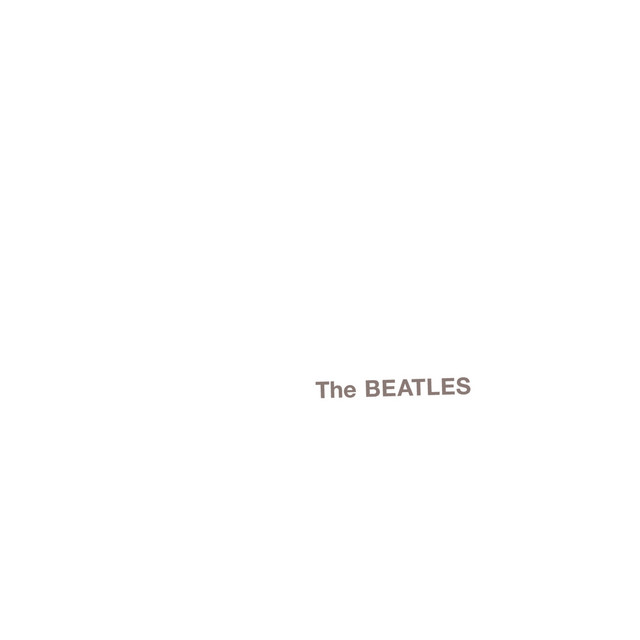
Released in 1968 on the iconic double album The Beatles, commonly known as the White Album, "Back In The U.S.S.R." was a sharp departure from the band's earlier works. Written by Paul McCartney, the song serves as a cheeky homage to Chuck Berry's "Back in the U.S.A." while simultaneously poking fun at the Beach Boys and their sun-soaked Americana. However, the song's playful tone took on a more substantial political weight during the Cold War era.
A Playful Facade
At first listen, McCartney's upbeat rhythms and catchy melodies create an impression of light-hearted fun. With lyrics that celebrate the joys of returning to the Soviet Union, the song saturates its listeners with a sense of nostalgia and adventure. Yet, beneath that surface cheerfulness lies a deeper commentary on the absurdities of the geopolitical climate of the time.
"The Ukraine girls really knock me out, they leave the West behind"
These lines evoke a sense of exoticism and allure, painting the Soviet Union as a place of wonder and beauty. In a period marked by significant tension and mistrust, such portrayals could have been interpreted as a challenge to Western narratives that demonized the Eastern bloc.
Cold War Context
Released at a time when the U.S. and the Soviet Union were locked in a battle for global supremacy, the song's nonchalant approach to a nation often viewed through a lens of fear and suspicion is striking. The Beatles, as cultural icons, had the power to influence public perception, and with "Back In The U.S.S.R.," they inadvertently created a bridge across the Iron Curtain.
The remastered 2009 version of the song brought renewed attention to its original context, coinciding with a resurgence of interest in Cold War history.
Subverting Expectations
Through the lens of McCartney’s satire, the song provides a sense of subversion. It challenges the listener to rethink their entrenched beliefs about the Soviet Union. This was a radical move for a Western band at the peak of its popularity, especially during a period when anti-communist sentiment was rampant.
"I'm back in the U.S.S.R."
This repeated refrain serves as a rallying cry, almost as if McCartney is inviting listeners to embrace a different perspective. It suggests a camaraderie that transcends political borders, urging listeners to consider the shared human experience rather than the division imposed by governments.
The Global Beat
Musically, the song is a fusion of rock and roll and the Beach Boys' surf sound, creating a vibrant and energetic backdrop. This blend adds to the song’s ability to cross cultural boundaries. The Beatles were masters at experimenting with different styles, and here they take a playful jab at both American and Soviet culture.
As the melody drives forward, it’s easy to overlook the political implications, which is part of McCartney’s genius. By embedding a critique of nationalism within a catchy tune, he invites listeners to engage with complex themes in a manner that feels light and accessible.
Legacy and Reflection
The remastered edition of "Back In The U.S.S.R." in 2009 reignited discussions surrounding its political undertones. As the world now reflects on the remnants of the Cold War, McCartney's lyrics seem more relevant than ever, reminding us of the absurdity of borders and the power of music to unite us.
In retrospect, while it may have been intended as a parody, "Back In The U.S.S.R." evolved into an anthem that transcended its time, becoming a commentary on the political landscape that shaped an entire generation.