The Enduring Legacy of 'Stare Ljubavi'
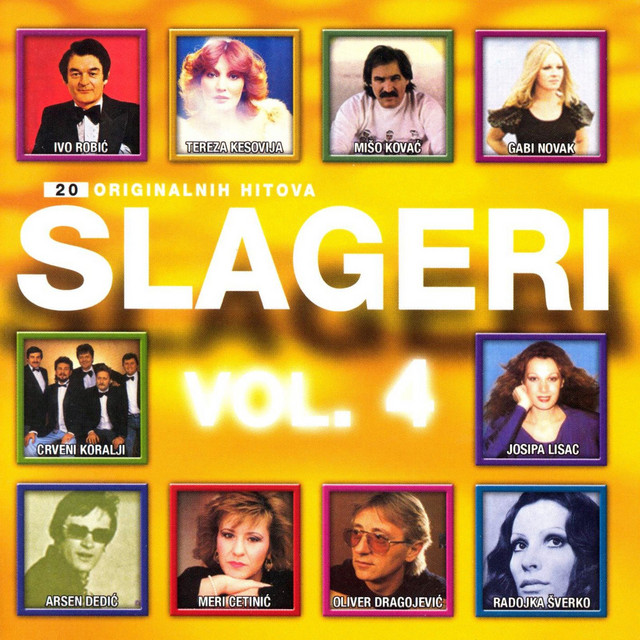
Tereza Kesovija's "Stare Ljubavi," released in 1970, stands as a monumental pillar in the world of Balkan pop music. The song, with its lush orchestration and heartfelt delivery, has not only defined Kesovija's career but also paved the way for modern pop artists across the region.
Kesovija, born in Croatia, became a beloved figure, known for her ability to fuse traditional Balkan sounds with contemporary pop sensibilities. "Stare Ljubavi" exemplifies this blend, showcasing a sophisticated arrangement that combines folk elements with orchestral pop. This song was instrumental in demonstrating that Balkan music could transcend borders and appeal to a broader audience.
Musical Composition and Cultural Context
The song is characterized by its sweeping melodies and poignant lyrics, which reflect themes of love and nostalgia. This emotional depth resonates in a way that many modern artists still strive for today. The lush strings and layered vocals create a sound that feels both intimate and grand, a hallmark of Kesovija's style.
In the opening lines, the listener is immediately drawn into a world of longing and reminiscence, expertly captured in the lyric:
"O ljubavi stare, sve u tebi mirise, sve u tebi svijetli..."
This sentiment of nostalgia has been echoed by countless contemporary Balkan pop artists, who often draw on themes of love and memory, though few can match the raw sincerity that Kesovija delivers.
The Influence on Modern Artists
Fast-forward to today, and the influence of "Stare Ljubavi" is palpable in the works of artists like Severina and Goran Bregović. These musicians have adapted the emotional and musical frameworks laid down by Kesovija, marrying traditional Balkan folklore with modern pop production. Severina’s hit songs often echo the dramatic flair found in Kesovija's work, blending catchy choruses with deep emotional undercurrents.
Moreover, the song’s orchestral elements have been a significant influence on the production styles of contemporary Balkan pop. Producers are increasingly incorporating rich instrumentation, reminiscent of Kesovija's sound, into their tracks, creating a modern pop aesthetic that pays homage to its roots.
A Bridge Between Generations
The continued relevance of "Stare Ljubavi" also lies in its ability to bridge generations. It has become a staple at weddings and celebrations, where its themes of love and longing resonate universally. This song's presence in social contexts helps to keep the memory of Kesovija and her musical contributions alive.
Many young artists cite Kesovija as a major influence, not only for her vocal prowess but for her role in elevating Balkan music on an international scale. The respect she commands within the industry is a testament to her pioneering spirit and the timeless quality of her music.
Interesting fact: Tereza Kesovija has performed internationally, showcasing the richness of Balkan music, and has collaborated with renowned artists across genres.
Conclusion: A Timeless Classic
As we analyze the landscape of modern Balkan pop, it's impossible to overlook the impact of Tereza Kesovija's "Stare Ljubavi." It remains a touchstone for artists today, a reminder of the power of music to evoke emotions and memories across generations. The song is not merely a relic of the past; it is a living, breathing piece of art that continues to inspire and shape the sound of the region.