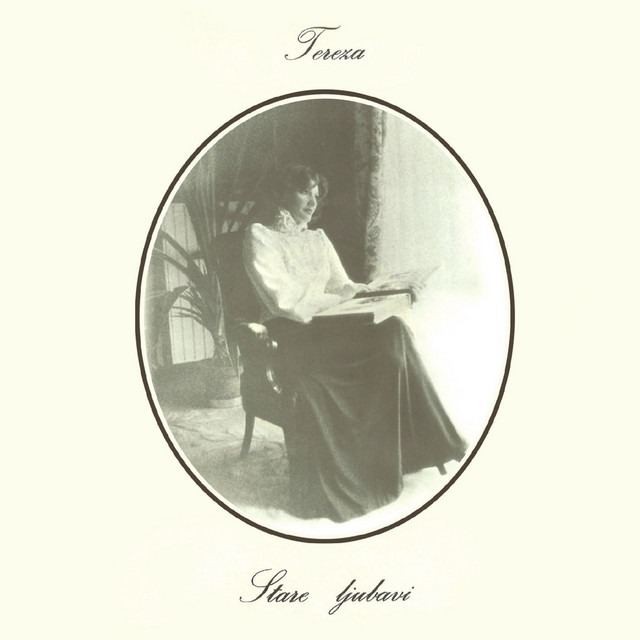
A Song of Longing
Released in 1967, Tereza Kesovija's "Ne Plači Materino Čedo" is a haunting ballad that transcends its original context. Rooted in the traditional pop genre, the song embodies a deep sense of nostalgia and longing that resonates particularly with the Croatian diaspora. Its poignant lyrics and Kesovija's emotive delivery create an atmosphere of yearning that speaks to those far from home.
The Lyrics' Power
At the heart of the song is a mother's lament, urging her child not to cry. The line,
captures the essence of parental love and sacrifice. For Croatian expatriates, these words evoke memories of familial bonds and cultural roots. The song is not just a narrative; it's a shared experience that transcends generations."Ne plači, materino čedo, ja ću ti donijeti sreću..."
A Cultural Anchor
For many in the diaspora, music serves as a lifeline to their heritage. "Ne Plači Materino Čedo" is a cultural anchor that ties them to their homeland, reminding them of their identity amidst the challenges of assimilation. The emotional weight of the song offers solace, a reminder of the strength found in familial love and cultural continuity.
Shared Experiences
Listening to the song can be a communal experience, especially at gatherings or celebrations within Croatian communities abroad. The collective singing of its lyrics fosters a sense of unity. Shared memories flood back, and for many, it becomes a cathartic release, a moment where distance is bridged through music.
The Diaspora's Narratives
In the context of the Croatian diaspora, this song isn't just about nostalgia; it’s also about resilience. The lyrics resonate with those who have left their homeland due to war, economic hardship, or the pursuit of opportunity. It encapsulates the complex emotions of displacement: the sorrow of leaving, mixed with the hope of returning. It tells stories of survival, making it a staple at cultural events.
The Legacy of Kesovija
Tereza Kesovija remains an iconic figure in Croatian music, and her ability to convey deep emotional truths through her art is unmatched. Her collaboration with renowned composers has helped shape the narrative of Croatian music, but it is her solo work, particularly this track, that has left an indelible mark on the hearts of many. The song’s timeless appeal lies in its ability to evoke universal feelings of love and loss.
Did you know? Tereza Kesovija was one of the first Croatian artists to gain international recognition, performing in multiple languages and capturing diverse audiences.
Enduring Relevance
As the Croatian diaspora continues to grow, so does the relevance of "Ne Plači Materino Čedo." New generations are discovering this classic, often through family traditions. It serves as a bridge, allowing younger Croatians to connect with their roots, even if they have never set foot in the homeland.
Conclusion: More than a Song
This song is more than just a nostalgic piece; it’s a testament to the enduring spirit of the Croatian people. It encapsulates their struggles and triumphs, weaving together stories of love, loss, and hope. In a world where many feel disconnected, "Ne Plači Materino Čedo" remains a powerful reminder of the ties that bind us to our identities.