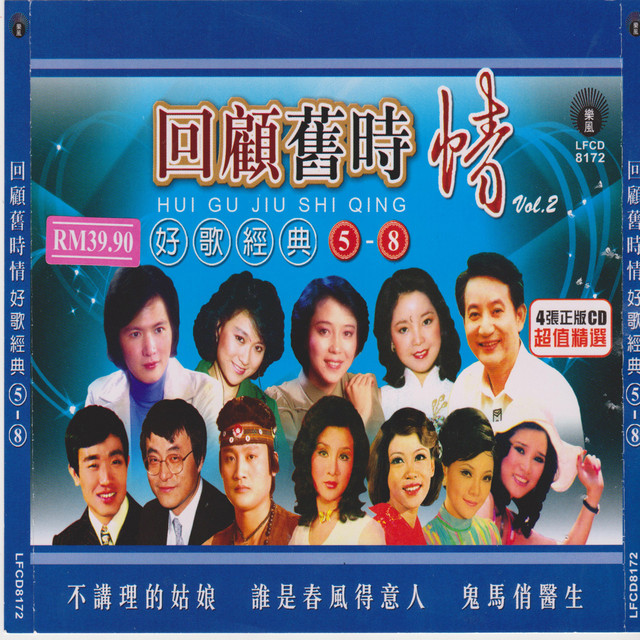
你
by Teresa Teng
Summary
"你" by Teresa Teng is a heartfelt plea from someone who's desperately afraid of losing their love. The song captures deep emotions of sadness and longing, showing how love can feel both beautiful and painful.
Full Analysis
The overall theme of the song revolves around love and loss. It expresses a deep yearning for a partner who is no longer present. The repetition of “你” (you) emphasizes the importance of this person and reflects the singer's emotional state. It's a powerful reminder of how love can bring joy, but also immense sorrow when it’s threatened or lost.
Verse 1
你 你 你不要离开我
你 你 你不要抛弃我
你 你 我不能 我不能没有你
情人
In the first verse, the singer is directly addressing their partner with an urgent tone. The repeated phrases “你不要离开我” (please don’t leave me) and “你不要抛弃我” (please don’t abandon me) show desperation. The repetition of “我不能没有你” (I can’t live without you) makes it clear how central this person is to the singer’s happiness. It sets an emotional tone right from the start, pulling listeners into a world of longing and fear of separation.
Chorus
天涯海角茫茫 情人你在何方
如今你离开我 一切失去希望
曾誓地老天荒 夜夜共看星光
忆起往日欢乐 悲痛充满心房
The chorus expands on the theme of searching for love. “天涯海角茫茫” (to the ends of the earth) suggests a vast emptiness without the loved one. The line about losing hope after their departure emphasizes feelings of despair. The memories of shared happiness, like watching the stars, contrast sharply with the current sadness. This juxtaposition of joyful past moments against present pain really drives home the emotional weight of the song.
Verse 2
你 你 你不能你不能离开我
你 你 你不能你不能抛弃我
你 你 我不能 我不能没有你
情人
In the second verse, the urgency continues. The singer repeats the phrases, reinforcing their fear of abandonment. The insistence that “你不能离开我” (you can’t leave me) highlights a sense of helplessness. The emotional intensity builds here, showing that the singer isn’t just sad; they’re terrified of a future alone. It’s a raw display of vulnerability that many can relate to.
Chorus
天涯海角茫茫 情人你在何方
如今你离开我 一切失去希望
曾誓地老天荒 夜夜共看星光
忆起往日欢笑 悲痛充满心房
The chorus repeats, reinforcing its message and the overall emotional impact. The sense of loss and longing doesn’t fade; instead, it grows stronger. Each line feels heavier with the weight of the memories. The singer’s heartache is palpable, and the repetition serves to underline just how much they’re struggling with the absence of their loved one.
Bridge
没有你我无法活下去
没有你我心如死灰
你是我唯一的依靠
请不要抛弃我
The bridge takes a more desperate turn. The lines express a feeling of being lost without the partner. “心如死灰” (my heart is like dead ash) paints a vivid picture of despair and emptiness. Here, the singer is pleading not just for the person to stay, but for their very reason to live. It’s an emotional climax that encapsulates the depth of their love and fear.
Outro
你 你 你不要离开我
你 你 你不要抛弃我
你 你 我不能 我不能没有你
情人
The outro circles back to the beginning, reinforcing the song’s main themes. The repetition feels even more poignant here, showing that the singer's plea hasn’t changed. The ending leaves listeners with a sense of unresolved longing. It’s a haunting reminder of how love can be both a source of joy and pain.
Closing Thoughts
"你" is a beautiful yet heartbreaking expression of love and loss. Teresa Teng’s voice delivers these emotions with such sincerity that you can’t help but feel for the singer. It’s a timeless piece that reminds us of the power of connection and the fear of losing it. You can really feel the heartache in every line, making it a classic that resonates with anyone who’s ever loved deeply.
Full Lyrics
▼
你 你 你不要抛弃我
你 你 我不能 我不能没有你
情人
天涯海角茫茫 情人你在何方
如今你离开我 一切失去希望
曾誓地老天荒 夜夜共看星光
忆起往日欢乐 悲痛充满心房
你 你 你不能你不能离开我
你 你 你不能你不能抛弃我
你 你 我不能 我不能没有你
情人
天涯海角茫茫 情人你在何方
如今你离开我 一切失去希望
曾誓地老天荒 夜夜共看星光
忆起往日欢笑 悲痛充满心房
你 你 你不能你不能离开我
你 你 你不能你不能抛弃我
你 你 我不能 我不能没有你
情人