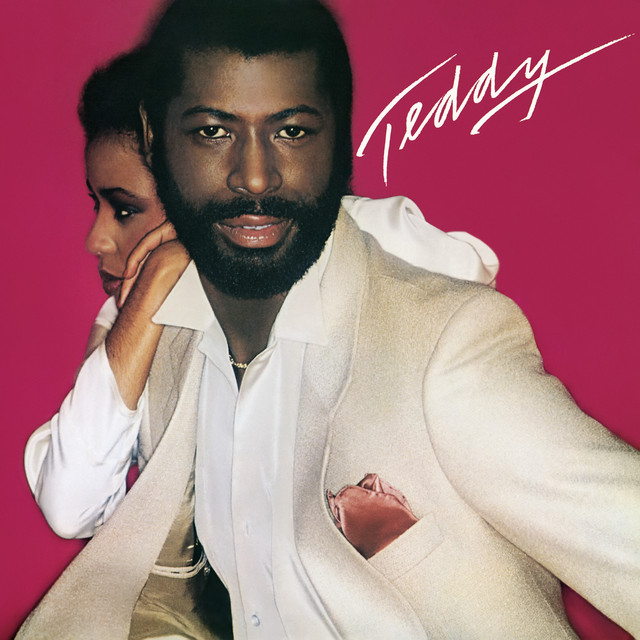
The Birth of a Classic
Teddy Pendergrass's 'Come Go with Me,' released in 1979 as part of his self-titled album, represents a pivotal moment in R&B history. The song, produced by the iconic Kenneth Gamble and Leon Huff, is characterized by its smooth grooves and Pendergrass's sultry vocals. It captures the essence of desire and connection, making it an instant favorite.
But beyond its romantic appeal, the song has emerged as a significant anthem for empowerment within the LGBTQ+ community. This transformation is a testament to how music can transcend its original intent and serve as a voice for marginalized groups.
From Romantic Ballad to Empowerment Anthem
At its core, 'Come Go with Me' is about longing and companionship, themes that resonate widely. The chorus, with its invitation to escape together, reads like a euphemism for seeking freedom and acceptance — qualities that are deeply valued in the LGBTQ+ experience.
"Come go with me, to that land of love, where we can be free."
This line speaks volumes, suggesting a space where individuals can embrace their true selves without fear of judgment. The song's rhythm and melody create an uplifting atmosphere, encouraging listeners to dance and celebrate their identities.
Cultural Context and Community Embrace
The late '70s and '80s were tumultuous times for the LGBTQ+ community. Amidst rising visibility, there was also intense societal backlash. 'Come Go with Me' arrived as a beacon of hope, its infectious beat providing a soundtrack for liberation and self-acceptance. The song became a staple in gay clubs, where it was played alongside other empowering anthems.
Pendergrass's own story adds layers to this narrative. Born to Ida Geraldine Pendergrass, who faced numerous hardships before giving birth to him, Teddy's life was marked by overcoming obstacles. His rise to fame, despite the challenges, mirrors the struggles many in the LGBTQ+ community face. The song, then, becomes not just a call to love, but a celebration of resilience.
Reinterpretation Through the Decades
As the years passed, 'Come Go with Me' has been reinterpreted by various artists, each adding new dimensions to its meaning. Remixes and covers have kept the song alive in contemporary culture, further solidifying its place in LGBTQ+ history. Performers often infuse their interpretations with personal experiences, creating a dialogue about love and acceptance that resonates across generations.
In the age of social media, the song has found new life. Clips of drag performances featuring 'Come Go with Me' circulate widely on platforms like TikTok and Instagram, bringing fresh audiences into the fold. The sheer joy and celebration in these performances echo the song’s original intent while amplifying its message of empowerment.
A Legacy of Love and Acceptance
Ultimately, 'Come Go with Me' transcends its roots as a romantic ballad. It has evolved into a powerful anthem for empowerment, a song that invites everyone to embrace love and connection without constraints. Its legacy continues to inspire, reminding us that music has the power to unite and uplift, especially for those who have been marginalized.
The song has been a favorite at pride events, symbolizing the struggle and triumph of the LGBTQ+ community.
Pendergrass's smooth vocals and the track's lush production create an inviting atmosphere that beckons listeners to join in the celebration of love in all its forms. As the LGBTQ+ community continues to fight for equality, 'Come Go with Me' remains a timeless reminder of the power of love and the importance of being true to oneself.