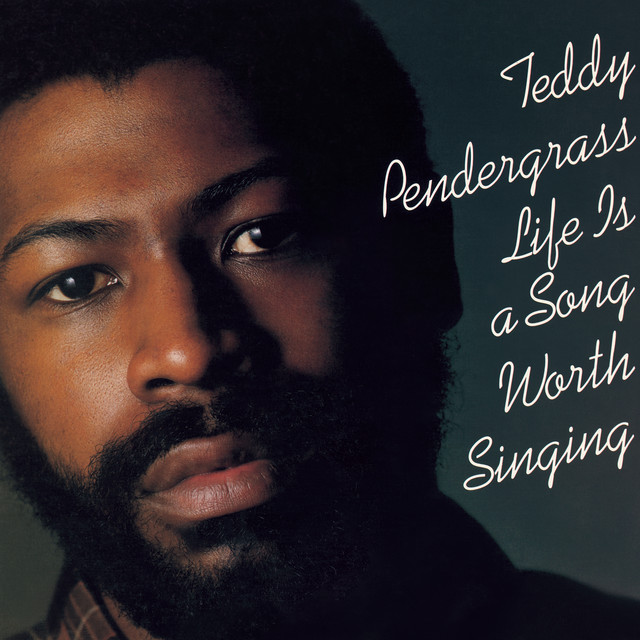
Behind the Door: Personal Struggles and Soulful Expression
Teddy Pendergrass’s 1978 hit “Close the Door” is more than just a chart-topping R&B anthem; it’s a reflection of the artist’s complex personal life and emotional struggles. Written by the legendary songwriting duo Kenny Gamble and Leon Huff, the track not only cemented Pendergrass's status as the quintessential male sex symbol of soul but also unveiled the vulnerability lurking beneath his smooth exterior.
A Life of Contrasts
Pendergrass’s rise to fame was punctuated by a series of personal challenges that shaped his music. Before his solo success, he was the lead singer of Harold Melvin & the Blue Notes, where he experienced both the highs of stardom and the lows of internal conflict within the group. These experiences informed his solo work, where he navigated themes of love, desire, and heartbreak with an authenticity that resonated deeply with listeners.
The Essence of Emotional Vulnerability
In “Close the Door,” Pendergrass taps into a raw emotional honesty that is palpable. The lyrics speak directly to intimacy, urging a lover to close the door to the outside world and focus on the connection they share. The simplicity of the message belies the depth of emotion behind it. When he sings,
he’s not merely inviting someone into a physical space; he’s inviting them into his heart, reflecting a yearning for closeness that was often absent in his own life.“Come on in, close the door,”
Love and Loss in His Voice
Pendergrass’s personal life was marked by tumultuous relationships that often ended in heartbreak. This sense of loss can be heard in his delivery, where a seemingly effortless control masks an underlying vulnerability. His rich baritone adds layers of meaning to the lyrics, allowing him to express both desire and anguish in a single note.
“Close the Door” became a million-selling number one hit on the R&B charts, showcasing Pendergrass's powerful presence in the genre.
Physical and Emotional Struggles
In the late 1980s, Pendergrass faced a severe car accident that left him paralyzed from the waist down, a tragedy that could have derailed his career. Instead, it deepened his emotional expression, leading to a more profound understanding of loss and resilience that would come to define his later work. Songs like “Close the Door” took on new layers of meaning, as they became not just about romance, but also about personal battles and triumphs.
Legacy of Heartfelt Soul
The impact of “Close the Door” on R&B and soul music cannot be overstated. It stands as a testament to Pendergrass's ability to weave his life experiences into his art. His vulnerability transformed the genre, paving the way for future artists to blend emotional depth with sensuality. In a world where male artists often projected an image of invincibility, Pendergrass’s openness about his struggles made him relatable and profoundly human.
A Lasting Influence
The song remains a classic not just for its melodic allure but for the emotional gravity it carries. Each note echoes Pendergrass's own journey through love, loss, and renewal. As listeners close the door to the outside world and lean into the song, they’re reminded that behind the smooth vocals and seductive lyrics lies a man who faced his demons and emerged with a voice that still speaks to the heart.