The Political Backdrop of the Late 80s
The late 1980s were a time of significant political upheaval, marked by the end of the Cold War, a rising tide of environmental awareness, and the lingering effects of Thatcherism in the UK. This era was characterized by a collective questioning of authority and a search for new ideals, which undoubtedly influenced the artistic output of the time. Among the most definitive works to emerge from this period was Tears for Fears' single, "Sowing The Seeds of Love," released on August 21, 1989, as the lead track from their third studio album, The Seeds of Love.
Musical and Lyrical Influence
Musically, the song is steeped in the lush arrangements of the Beatles and the psychedelic rock of the 60s, creating a sound that is both nostalgic and forward-thinking. Produced by the band alongside David Bascombe, the track blends pop rock with soulful instrumentation, reflecting the optimism and idealism of the time while critiquing the political landscape. The chorus boldly proclaims:
"Sowing the seeds of love, anything is possible."
This line not only serves as a rallying cry for change but also resonates with the zeitgeist of the late 80s, a time when possibilities seemed boundless amid socio-political shifts.
Critique of Consumerism and Society
In a decade marked by rampant consumerism and material excess, "Sowing The Seeds of Love" critiques these societal norms while advocating for a more compassionate world. The song's imagery reflects a longing for unity and understanding, which was particularly relevant as the Berlin Wall was nearing its fall. Lines like:
"I want to break free from your lies"
indicate a desire to escape not just personal confines but broader societal expectations, challenging the status quo that many felt imprisoned by.
Environmental Awareness and Activism
The late 80s also saw a surge in environmental activism, influenced by growing concerns over climate change and industrial pollution. "Sowing The Seeds of Love" touches on this urgency with its calls for nurturing rather than exploiting the earth. The phrase "sowing the seeds" itself invokes agricultural imagery, suggesting a return to roots and a focus on sustainability. This was a radical departure from the self-serving ethos that characterized much of the decade's corporate culture.
The Legacy of 'Sowing The Seeds Of Love'
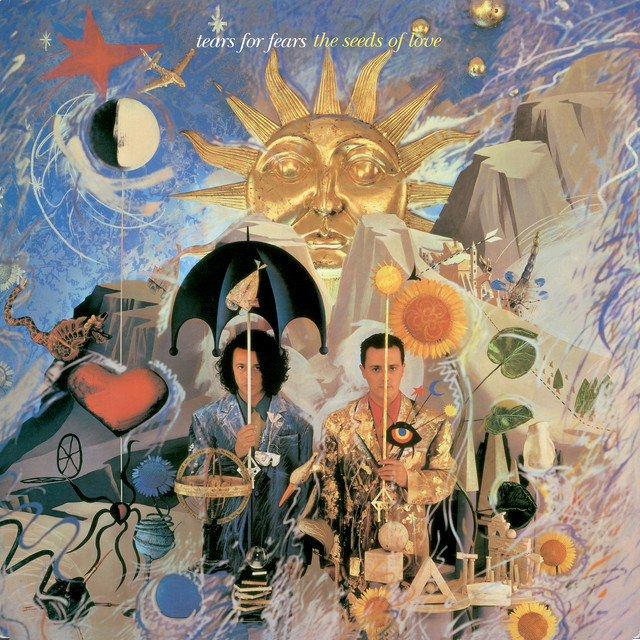
Tears for Fears managed to encapsulate the spirit of a generation in a single song, intertwining political critique with a hopeful vision for the future. The album The Seeds of Love, released on September 25, 1989, further solidified their commitment to tackling complex themes through music. With its rich production and thoughtful lyrics, the album remains a landmark in pop rock history, a testament to the band's ability to weave social commentary into their art.
Conclusion: An Anthem for Change
Ultimately, "Sowing The Seeds of Love" is more than just a catchy tune; it serves as an anthem for change, echoing the sentiments of a world on the brink of transformation. As the political climate shifted dramatically towards the end of the 80s, this song captured the hopes and anxieties that defined an era, urging listeners to cultivate love and understanding amidst chaos.
The song was inspired by the socio-political landscape of the late 80s, particularly the desire for change and unity.