The Bold Anthem of the 80s
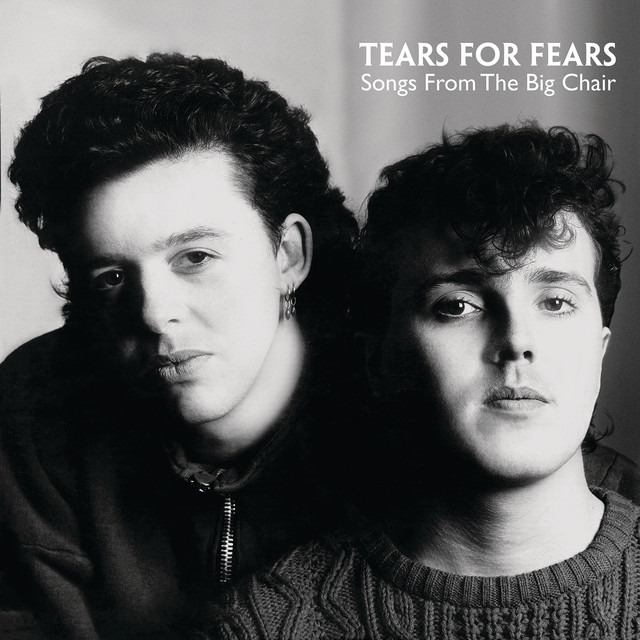
Released in 1985 as the second single from the album Songs from the Big Chair, Tears For Fears’ "Shout" quickly became more than just a chart-topping hit. With its raucous energy and urgent message, the song tapped into a cultural vein that was ripe for exploration: mental health awareness. As the 1980s progressed, society began to confront issues of mental well-being, and "Shout" became an anthem for expressing suppressed emotions.
Challenging the Stigma
In a decade often characterized by excess and superficiality, "Shout" dared to challenge the stigma surrounding mental health. The lyrics, with their call to action, urged listeners to confront their feelings rather than bottle them up. The iconic chorus—
—became a rallying cry for those struggling with emotional turmoil, encouraging them to voice their pain and frustration."Shout, Shout, let it all out"
Context of the Times
The mid-1980s were a turning point in public discourse about mental health. The rise of the self-help movement, along with increased media coverage of mental health issues, created a fertile ground for songs like "Shout" to resonate. The band's frontman, Roland Orzabal, has often spoken about how personal experiences and societal pressures shaped the song's creation. In the context of a world teetering on the brink of change, "Shout" stood as a powerful reminder that vulnerability is strength.
A Cultural Touchstone
Musically, "Shout" is a blend of rock and new wave, punctuated by the anthemic production of Chris Hughes. The song's raw energy, driven by pulsating drums and soaring synthesizers, mirrors the intensity of the message. It wasn't just a song; it was a cultural touchstone. The music video, with its striking visuals of protest and emotional release, further solidified its impact.
Personal Stories and Collective Healing
For many fans, "Shout" served as a conduit for personal stories of struggle and healing. The song became a staple at concerts and gatherings, where it united listeners in a shared experience of catharsis. The line
invites a personal connection, suggesting that the act of shouting is not just an individual endeavor but a communal one. The band encouraged a culture of openness, where discussing mental health was not only accepted but necessary."Come on, I'm talking to you"
The Lasting Legacy
Even decades after its release, "Shout" continues to influence contemporary discussions around mental health. Its legacy is evident in the way artists today address personal struggles in their music. The song's message has transcended its time, becoming a timeless anthem for anyone grappling with their mental well-being.
Interestingly, "Shout" has been used in various campaigns aimed at raising mental health awareness, showcasing its enduring relevance.
Conclusion
Ultimately, "Shout" by Tears For Fears does more than just rock out; it serves as a reminder of the importance of emotional expression. It paved the way for future generations to speak openly about mental health issues, making it an essential part of the 1980s musical landscape and beyond. As we continue to navigate our own mental health journeys, the song remains a powerful call to action: don’t just shout—let it all out.