A Legacy of Melancholy
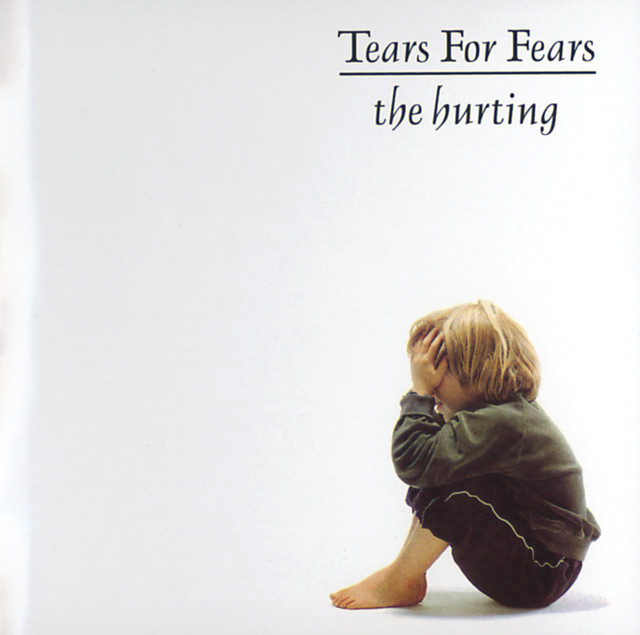
Tears for Fears’ "Mad World," released in 1982, remains a haunting presence in the realm of contemporary music. This track, part of their debut album *The Hurting*, was not only a commercial success but also a cultural touchstone that resonated with feelings of alienation and despair. Written by Roland Orzabal and sung by bassist Curt Smith, the song captures the essence of a world out of sync, making it an inevitable point of reference for artists navigating similar emotional landscapes today.
Modern Echoes
In the years since its release, "Mad World" has been covered and reinterpreted by numerous artists, each bringing their unique perspective to its unsettling themes. Notably, Gary Jules’ stripped-down rendition in 2001 transformed the track into a haunting ballad that reached a new generation. Jules’ version strips away the synth-heavy production of the original, revealing the raw vulnerability in lines like
— a reminder that feelings of despair are universal."All around me are familiar faces, worn out places..."
Inspiration for a New Generation
The influence of "Mad World" extends beyond covers; it seeps into the songwriting of contemporary artists across genres. Billie Eilish, for instance, has cited the song's emotional weight as a formative influence. Her own music often grapples with themes of anxiety and existential dread, echoing Orzabal’s original sentiment. Tracks like "Bellyache" and "Everything I Wanted" reflect a similar sense of disconnection, as she navigates her own version of a "mad world."
Visual and Sonic Influence
Moreover, the song’s impact is palpable in the visual artistry that accompanies modern music. Artists like Hozier and Lana Del Rey have crafted music videos that evoke the same eerie, unsettling atmosphere found in the original. The cinematography often mirrors the dark, introspective lyrics, creating a visceral experience for viewers. It’s a testament to how "Mad World" has set a precedent for blending visual art with musical expression.
Emotional Resonance
The emotional core of "Mad World"—its ability to articulate a sense of disillusionment—continues to find relevance in today’s societal climate. The themes of isolation and confusion are particularly resonant in an age where social media amplifies feelings of inadequacy and alienation. Artists like Lil Peep and Juice WRLD have also drawn from this well, channeling their own struggles into music that captures the essence of feeling lost in a chaotic world.
A Timeless Anthem
As we witness the cyclical nature of music, it’s clear that the haunting influence of "Mad World" will persist. Its exploration of mental health, societal pressures, and the human condition provides a haunting backdrop that contemporary artists eagerly tap into. From pop to hip-hop, the echoes of Tears for Fears are unmistakable, reminding us that the struggle between sanity and madness is as relevant now as it was over four decades ago.
Conclusion: A Call to Reflection
Ultimately, "Mad World" remains a powerful anthem for those grappling with their own realities. It challenges listeners and artists alike to confront their feelings and express them authentically. As contemporary musicians continue to weave the song's themes into their work, its legacy endures, proving that art, in its truest form, is timeless.
Tears for Fears' original version of "Mad World" peaked at number 3 on the UK charts and marked their first charting single in the US.