Power and Paranoia
As the world shifted into the 1980s, the political climate was marked by tension, conflict, and a thirst for control. In this context, Tears for Fears released "Everybody Wants to Rule the World" in 1985, a track that mirrored the anxieties of a generation grappling with authority and the pursuit of power.
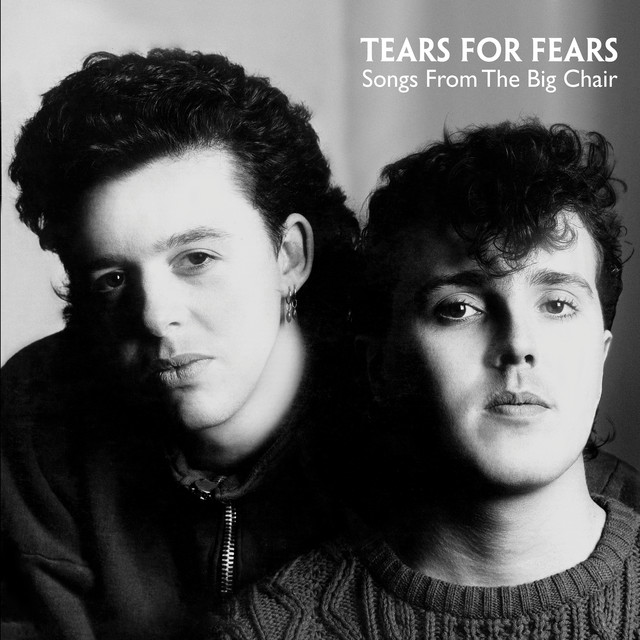
From their second studio album, Songs from the Big Chair, the song was produced by Chris Hughes and saw the band experimenting with a more polished pop sound. The catchy chorus and upbeat tempo belied the weight of its lyrical content, revealing a discontent with the status quo.
Social Commentary
The lyrics of "Everybody Wants to Rule the World" provide a critical commentary on ambition and the often destructive nature of power. The line,
speaks to the hidden machinations of those in control, suggesting that the corridors of power are often shrouded in darkness, away from public scrutiny."There's a room where the light won't find you"
At a time when the Cold War loomed large, and leaders like Ronald Reagan and Mikhail Gorbachev were vying for dominance, the song encapsulated a universal truth: the desire for power can lead to isolation and moral ambiguity. It’s a reminder that ambition often comes at a cost, a sentiment echoed in the track's chorus:
."Everybody wants to rule the world"
A Cultural Shift
The mid-80s were also a period of cultural transformation, with music videos becoming a primary means of artistic expression. The music video for "Everybody Wants to Rule the World" played a significant role in establishing Tears for Fears in North America, alongside their earlier hit "Shout." Both tracks received heavy airplay, allowing the band to reach a wider audience.
The juxtaposition of the song's infectious melody with its serious themes is a hallmark of the band’s style, making their work accessible while still engaging with deeper issues. This approach resonated with listeners who were navigating their own feelings of powerlessness amid political unrest.
Legacy of the Song
Today, "Everybody Wants to Rule the World" remains a quintessential anthem of the 1980s, its message still relevant in contemporary discussions of power dynamics. The song’s exploration of ambition, morality, and consequence serves as a reminder of the cyclical nature of history and the enduring struggle against tyranny.
As we reflect on the political climate of the past, it’s clear that Tears for Fears captured the essence of a generation's disillusionment and hope. Their ability to weave complex themes into pop music not only defined their career but also left an indelible mark on music history.
Interestingly, the song has been covered and referenced by numerous artists, solidifying its impact and relevance across decades.