The Allure of Fairy Tales
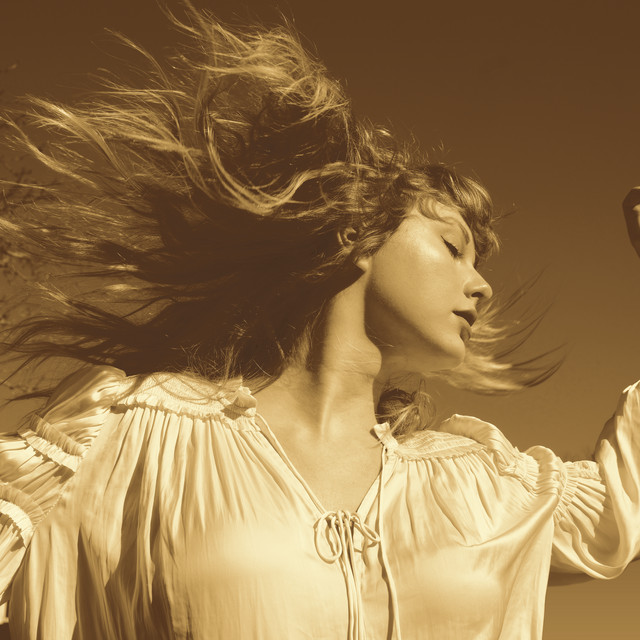
In the realm of pop music, few artists can blend the fantastical with the heartbreakingly real like Taylor Swift. Her reimagined track, "White Horse (Taylor’s Version)," from the 2021 re-release of her iconic album Fearless, serves as a powerful exploration of love's disillusionment through the lens of fairy tale motifs. The song's title itself evokes images of gallant knights and dreamy resolutions, yet Swift's lyrics peel back the layers of that fantasy, exposing the raw truths of romantic idealism.
Disillusionment and Growth
When Swift sings,
, she starkly contrasts the traditional narratives that have been fed to her generation. This line not only dismisses the notion of a perfect love story but also invites listeners to confront the harsh realities of their own relationships. The fairy tale motif here is not merely a backdrop; it's a vehicle for Swift's narrative of growth and self-awareness."I'm not a princess, this ain't a fairy tale"
Fans have gravitated toward this sentiment, often reflecting on their own experiences. The song captures that moment when one realizes the difference between fantasy and reality, a theme that resonates with many who have faced the painful truth that love is not always a happily-ever-after.
A Shift in Perception
The emotional core of "White Horse" lies in its ability to shift perceptions of love from the idealized to the authentic. The original version of the song was already a favorite, but the re-recording adds layers of maturity to Swift's vocal delivery. It's as if she's carrying the weight of her past while charting a new course.
Originally released in 2008, the song reflects the fairy tale dreams of a younger Swift, now reinterpreted with the wisdom of her experiences since then.
Impact on Fans
This transformation has not gone unnoticed by fans. Many have taken to social media to express how the song has changed their understanding of love. No longer is it simply about romance; it's about resilience and self-acceptance. Swift's candidness in acknowledging that love can be flawed, messy, and unfulfilling challenges the fairy tale narrative that has often dominated pop culture.
As she continues to unpack her journey through love and heartbreak, her audience finds solace in the shared experience. The fairy tale motifs in "White Horse" serve as a reminder that while the dreams of happy endings might be alluring, the true magic lies in personal growth and understanding.
A New Era of Love
In the context of 2021 and beyond, where conversations around mental health and self-worth are more prevalent, Swift’s reinterpretation of "White Horse" feels particularly timely. It’s a song that encourages listeners to embrace their imperfections and recognize that it’s okay to step away from relationships that don’t serve them.
"This is a story, I can't take back"
This lyric captures the essence of accepting one's narrative — both the good and the bad. Fans are not just hearing a song; they are engaging with a narrative that reflects their own journeys, allowing them to redefine what love means to them.
Conclusion: Love Beyond Fairy Tales
Ultimately, "White Horse (Taylor’s Version)" is more than just a re-recording; it's a manifesto for a new understanding of love. By dismantling the fairy tale motif, Swift empowers her listeners to seek authenticity over perfection. In doing so, she reshapes the conversation around love, encouraging a more nuanced appreciation for the complexities of human connection.