The Power of Narrative
Taylor Swift’s "The Last Great American Dynasty" offers a compelling look at how gossip and public perception shape the narrative of a person’s life. Featured on her 2020 album, Folklore, the track tells the story of Rebekah Harkness, a socialite whose life was overshadowed by scandal and rumor. Swift expertly weaves Harkness’s real-life struggles with the public’s judgment, reflecting on the way society often defines people through the lens of gossip.
Rebekah Harkness: A Life in the Spotlight
Harkness, once the owner of Taylor Swift’s Rhode Island home, lived a life filled with both privilege and scrutiny. Swift sings,
highlighting how Harkness's status was both a blessing and a curse. The song positions her not just as a figure of wealth, but as a victim of relentless public scrutiny."There goes the last great American dynasty"
The Gossip Machine
Swift captures the relentless nature of gossip with lines that speak to the way narratives are crafted, often without full context. The lyrics
imply that Harkness was painted as a villain in her own story, a woman whose life choices became fodder for tabloids. This reflects a broader commentary on how women, particularly those in the public eye, are often vilified for their actions."She had a marvelous time ruining everything"
Public Perception: A Double-Edged Sword
The song also examines the duality of public perception. While Harkness is initially portrayed as the quintessential socialite, her narrative shifts drastically when scandals arise. Swift illustrates this transformation with lines that reveal the public's fickle nature. One moment, Harkness is celebrated; the next, she is condemned. This mirrors Swift’s own experiences in the public eye, where her every move has been scrutinized.
A Reflection of Swift's Own Journey
Swift’s choice to tell Harkness’s story resonates with her own battles against public perception. The artist has faced her fair share of criticism and media scrutiny, particularly surrounding her relationships. By drawing parallels between her life and Harkness’s, Swift underscores a universal truth: the stories told about us can often overshadow our true selves.
Empathy Through Storytelling
In "The Last Great American Dynasty," Swift not only narrates the events of Harkness’s life but also evokes empathy. By highlighting the gossip surrounding Harkness, she invites listeners to reflect on the impacts of public perception and the stories we create about others. The song serves as a reminder that behind every headline is a complex human being.
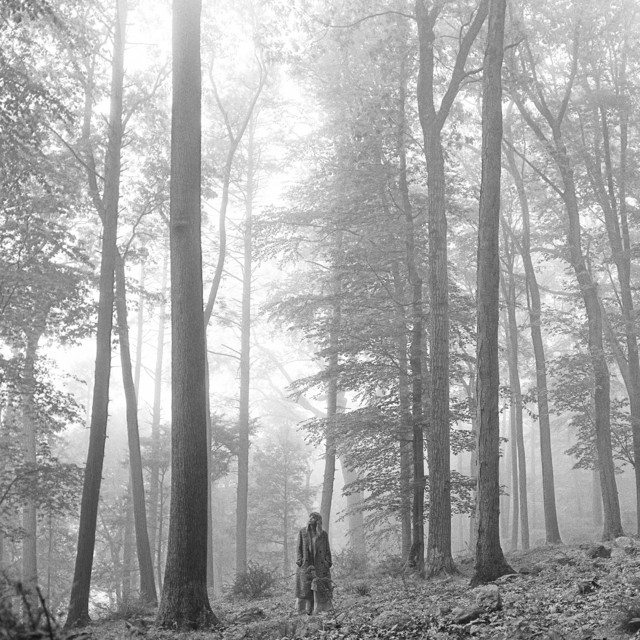
Swift’s album, Folklore, was produced by Aaron Dessner of The National and Jack Antonoff, showcasing a departure from her previous pop sound toward a more indie-folk aesthetic.
Legacy and Influence
Ultimately, Harkness’s legacy is redefined through Swift’s lens. The song concludes with an acknowledgment of how time can shift perceptions, allowing for a more nuanced understanding of a person’s life. Swift sings,
—a powerful reminder that the stories we tell can elevate or diminish those who came before us."And they said, 'There goes the last great American dynasty'"
In weaving together the threads of gossip and public perception, "The Last Great American Dynasty" stands out as a testament to the complexities of identity in the age of social scrutiny. Swift’s storytelling not only honors Harkness but also serves as a mirror reflecting society’s often harsh judgments.